
So check the current rate table in your Associates account before planning income. That’s the short answer… the longer one is the math, and it’s worth seeing before betting a single weekend on Amazon links.
What Amazon affiliate commission rates look like in 2026
Here’s the deal. Amazon doesn’t pay one flat rate. It pays by product category.
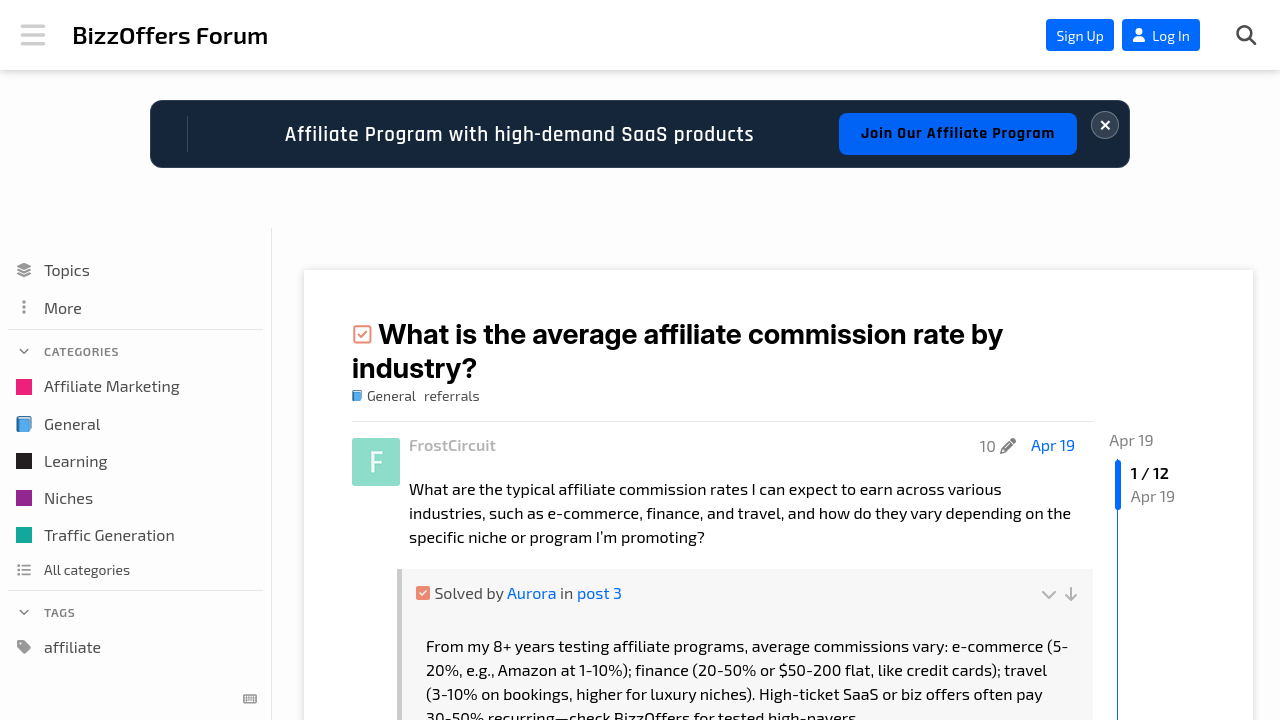
According to a BizzOffers forum discussion on commission rates by industry, Amazon sits at about 1% to 10%, inside a broader e-commerce band of roughly 5% to 20%. A Quora answer says the same thing: commissions range from 1% to 10%, varying by category, and you should check the latest rates on the official Amazon Associates site.
Then 2026 happened.
According to Adweek’s report on the Associates overhaul, Amazon cut affiliate commission rates by as much as 50%. The changes started in Asia-Pacific in late 2025 and reached the U.S. around March 9, without a public announcement. Adweek posted about the cuts on X on May 19, 2026.
If you want the bigger picture on what’s “normal” across programs, see this beginner explainer on the typical affiliate commission rate.
Takeaway: treat 1% to 10% as the ceiling-and-floor, not a promise. Log in and read your actual category rates.
Commission rate table: what each tier means in dollars
Percentages feel abstract. Dollars don’t. Here’s a $100 sale at three points in the reported range.
| Rate band | Pays on a $100 sale | Typical fit |
|---|---|---|
| 1% | $1 | Bottom of the reported Amazon range |
| 5% | $5 | Middle of the range; bottom of the broader e-commerce band |
| 10% | $10 | Top of the reported Amazon range |
One dollar. On a hundred-dollar sale. Ouch.
And remember, these bands come from forum and Q&A sources, not from Amazon’s own rate card. Category rates can move, and they did in 2026. Verify every category you plan to promote inside your Associates account.
Takeaway: before you write a single review, multiply your product’s price by its category rate. If the number makes you wince, pick a different product.
Worked example: what a month of clicks actually pays
Let’s run a simple scenario. Not a promise… just arithmetic.
On a Reddit thread about Amazon Associates, users describe 5% conversion as a pretty standard rate, with some as low as 1% and some up to 10%. We’ll use 5%.
Before the cut
Example: say you send 2,000 clicks a month to Amazon.
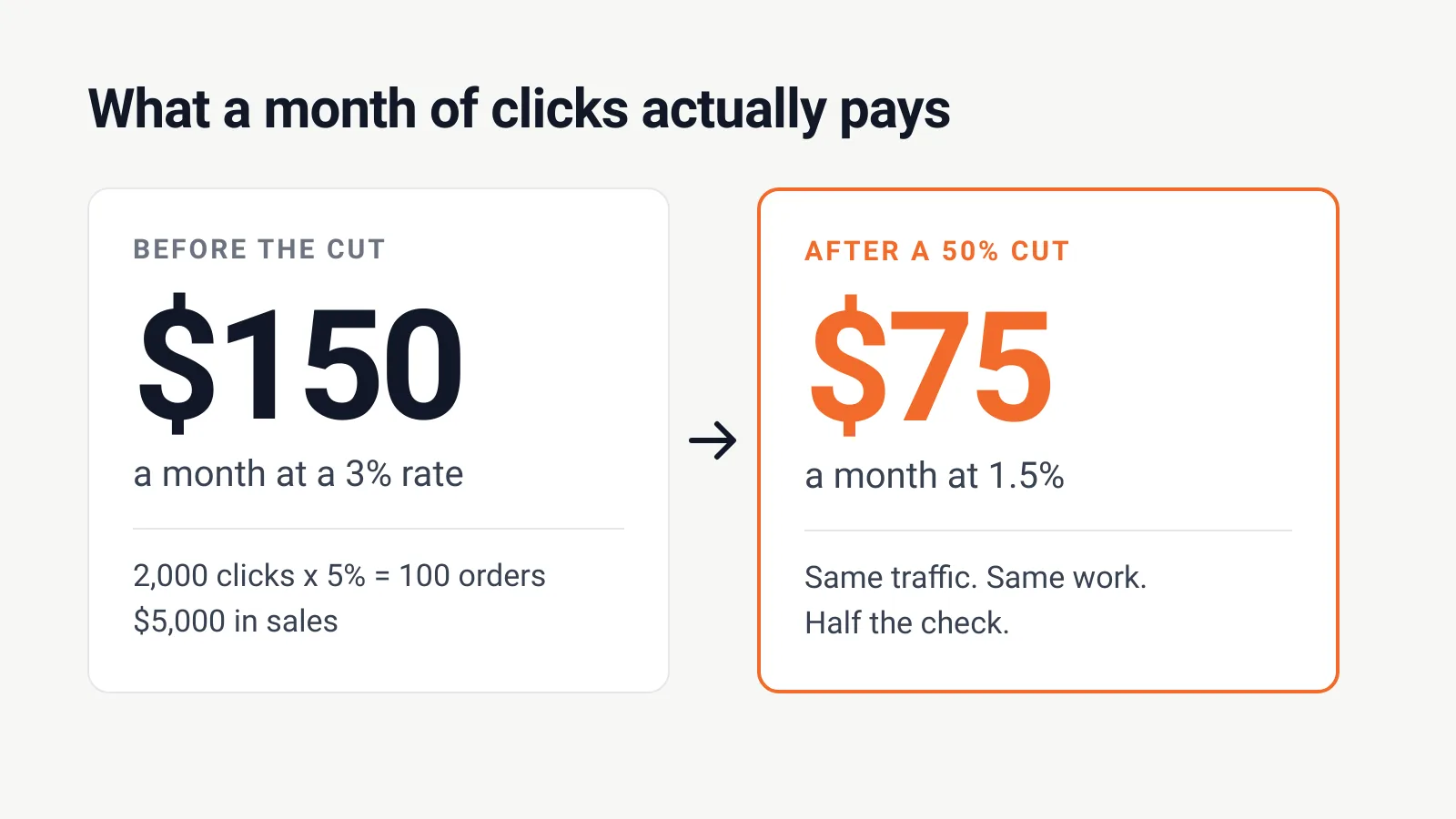
- 2,000 clicks x 5% conversion = 100 orders
- Assume a $50 average order
- 100 orders x $50 = $5,000 in sales
- At a 3% rate, $5,000 x 3% = $150 a month
$150. From 2,000 clicks. That’s a nice dinner out, not a car payment.
After a 50% cut
Now apply the worst case Adweek describes, a cut of up to 50%. That 3% becomes 1.5%.
- $5,000 x 1.5% = $75 a month
Same traffic. Same work. Half the check.
So, can you make $1,000 a month? Using the same assumptions, $1,000 at 3% needs about $33,333 in sales. That’s roughly 667 orders at $50, which at 5% conversion means around 13,300 clicks a month. At 1.5%, it’s closer to 26,700 clicks. Want to know where that traffic could come from? This guide on organic traffic generation for affiliate marketing is a good next read.
Takeaway: work the clicks-to-dollars math for your own numbers before you commit months to a niche.
Why Amazon pays low and what changed
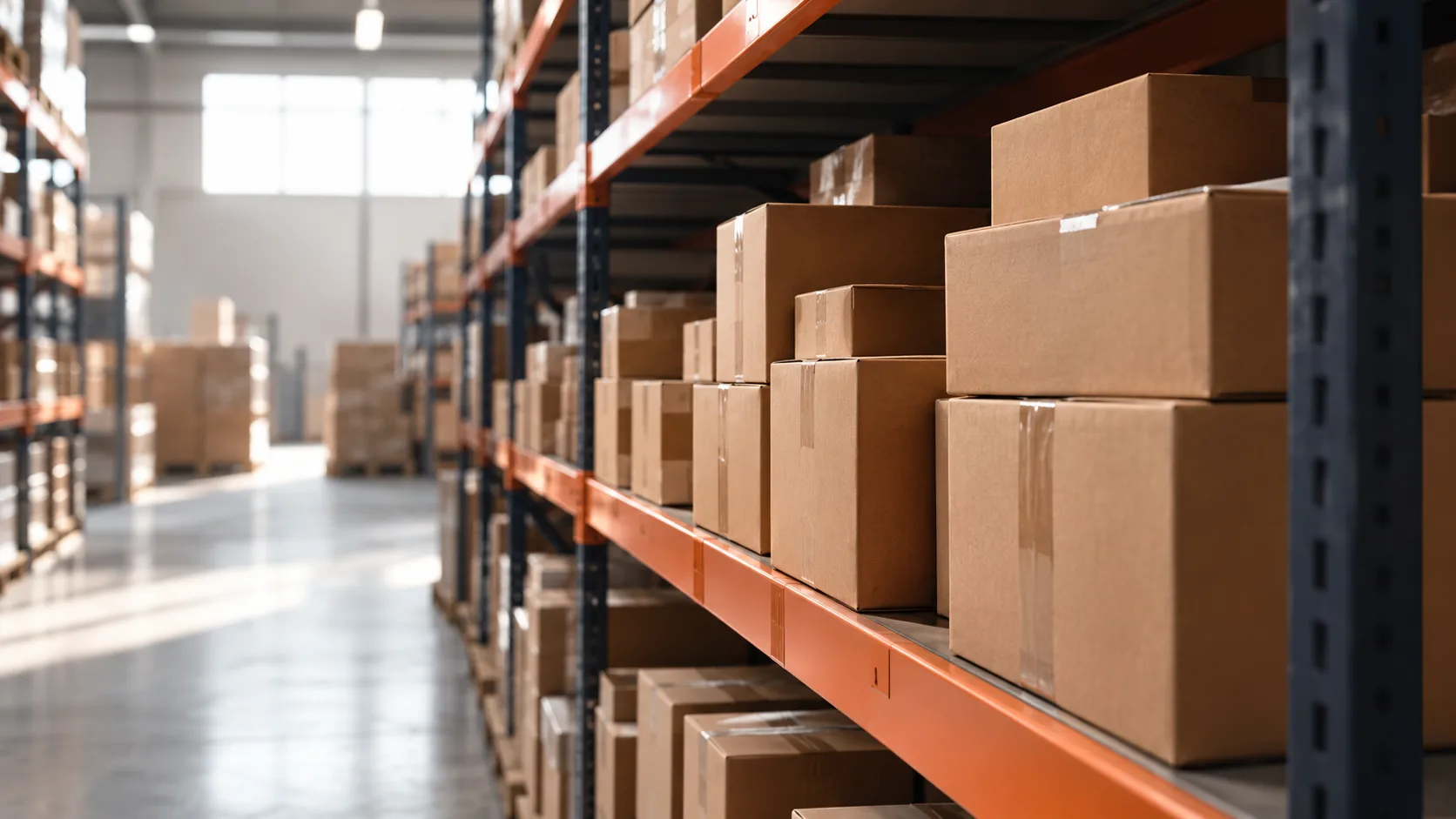
Amazon is a high-volume, low-margin store. Physical goods don’t leave much room for big commissions. One BizzOffers forum reply sums up e-commerce as exactly that: high volume, low margins.
If the mechanics of a payout are still fuzzy, start with how affiliate commission works.
It’s not just a perception thing, either. Stefan Ciancio’s 2026 review calls Amazon’s rates objectively low compared to other affiliate programs, and the program’s single most significant drawback.
What changed in 2026, according to Adweek:
- Rates cut by as much as 50%
- Milestone-based and some year-over-year bonuses removed
- Tracking-ID reporting now needs four sales before it shows
- SKU/ASIN-level data replaced by category-only reporting
- Reduced access to premium APIs
Affiliates told Adweek the changes hit paid-media-driven businesses hardest. Makes sense… if you pay for clicks and your payout per sale gets halved, the math flips fast.
Takeaway: if you’re running paid ads to Amazon links, recheck your cost per click against the new rates this week.
DIY vs building your own funnel: the cost split
Here’s the honest cost split for a beginner.
| Path | Cost to join | What you get | What you own |
|---|---|---|---|
| Amazon Associates | Free | Product links, category commissions | Not your buyers |
| Easy Commission Funnel | Free to register | Prebuilt page, expert video content, automated follow-ups, unique link | Leads in your own autoresponder |
Amazon gets the customer. You get a small slice of one order. If they come back next month without your link? Nothing.
The Easy Commission Funnel is a free, prebuilt affiliate system. You register, get a unique link, and send people to it. It’s built as a done-for-you funnel for beginners, with a prebuilt page, expert video content and automated follow-ups from day one. New leads go into your own autoresponder, so the list is yours. There’s also a free paid-traffic bonus at sign-up.
That’s the shift: from chasing one-time crumbs to building an email list for affiliate marketing you can mail again and again. For the funnel side, see how to create a sales funnel for affiliate marketing, and for what to do with the list once it grows, read up on email list monetization.
Takeaway: keep Amazon if it fits your content, but start capturing leads you own.
Red flags: when affiliate income claims are too good to be true
Somebody’s always selling a screenshot. Here’s how to spot the fluff.
- They skip the rate. Any “$5,000 a month with Amazon” claim that never mentions the 1% to 10% range is hiding the hard part.
- They assume dreamy conversion. Reddit users describe 1% to 10% conversion, with 5% as standard. A pitch assuming far higher deserves a raised eyebrow.
- They ignore the 2026 cut. Income math from before March 2026 may be off by as much as half.
- They rely on one retailer. As Adweek reported, Amazon changed rates and bonuses without a public announcement. One platform, one decision, one smaller check.
Practical checks:
- Read the current rate table in your Associates account
- Use separate tracking IDs per site or campaign (and remember the new four-sale reporting threshold)
- Diversify into other programs; a roundup like best affiliate marketing platforms for beginners or a guide to starting with ClickBank can help
Takeaway: run every income claim through the clicks x conversion x price x rate formula. If it breaks, walk away. For more on this approach, see Jeff Aman.
FAQ: Frequently Asked Questions
How much commission do you get from Amazon Affiliates?
Roughly 1% to 10% depending on product category, according to a BizzOffers forum thread and a Quora answer. Adweek reports some rates were cut by up to 50% in 2026, so check your Associates account.
How much does Amazon take from a $100 sale?
Flip it around: on a $100 sale, an affiliate earns about $1 at 1%, $5 at 5% or $10 at 10%, based on the reported range. The rest stays with Amazon and the seller.
Can I make $1000 a month selling on Amazon?
It’s possible but takes volume. Example: at a $50 order, 3% rate and 5% conversion, $1,000 needs about 13,300 clicks a month. After a 50% cut, roughly double that.
Is it worth being an Amazon affiliate?
It can be, as one income stream. Pair it with leads you own.
Did Amazon cut affiliate commission rates in 2026?
Yes, according to Adweek. Rates were cut by as much as 50%, some bonuses were removed and reporting got less detailed. The changes reached the U.S. around March 9 without a public announcement.
What is a good conversion rate for Amazon Associates?
Users on a Reddit thread call 5% a pretty standard Amazon Associates conversion rate, with some as low as 1% and others up to 10%. Your niche and traffic source change the number.
How do Amazon rates compare with other industries?
Low. A BizzOffers forum thread places Amazon at 1% to 10% within e-commerce at 5% to 20%, while other industries such as finance and SaaS can pay more.
Conclusion
Amazon pays roughly 1% to 10% by category, and Adweek reports cuts of up to 50% in 2026. Run the dollar math, verify your rates, and don’t let one retailer decide your income. If you’d rather build something you own, the Easy Commission Funnel is free to register and routes leads into your own autoresponder. Go do the math… then go build the list.