Affiliate commissions can look like a random grab bag of numbers when you’re just starting out… 5%, 50%, $25 flat, recurring monthly. Jeff Aman’s affiliate marketing blog breaks it down so you can stop guessing and start picking programs that actually pay. Understanding what a “typical” rate looks like, and why it varies so much, is the foundation of building any real income from affiliate marketing. Nail this one concept and you’ll stop wasting weeks promoting the wrong offers.
Definition: What Is an Affiliate Commission?
An affiliate commission is the payment you earn when someone clicks your unique link or code and completes a defined action… usually a sale, but sometimes a lead, a free trial signup, or an app install. The merchant tracks the conversion, credits your account, and pays you on their schedule. That’s the whole mechanism in one paragraph.
The basic mechanism
Commissions are calculated one of two ways: a percentage of the sale value, or a flat dollar amount per conversion. Partnero’s glossary notes that commission structure is the single biggest factor in how attractive a program is to potential affiliates. Too low, nobody promotes. Too high, the merchant’s margins break. Somewhere in the middle is where good programs live.
Typical rates sit between 5% and 40% depending on industry and product type. That’s a huge spread, and the rest of this guide explains why. If you’re wondering whether this whole model is worth the effort, is affiliate marketing hard for beginners? gives you an honest answer.
In plain language
Think of yourself as a commission-only salesperson. The merchant hands you a link. If someone buys through it, you get paid. The percentage or flat fee is the deal you agreed to when you joined the program.
Want the fuller beginner picture? Our complete beginner’s guide to affiliate marketing walks through the whole flow from picking a niche to getting your first click.
Takeaway: A commission is just the agreed payout per conversion. Everything else is detail.
How Commission Rates Work: The Numbers by Industry
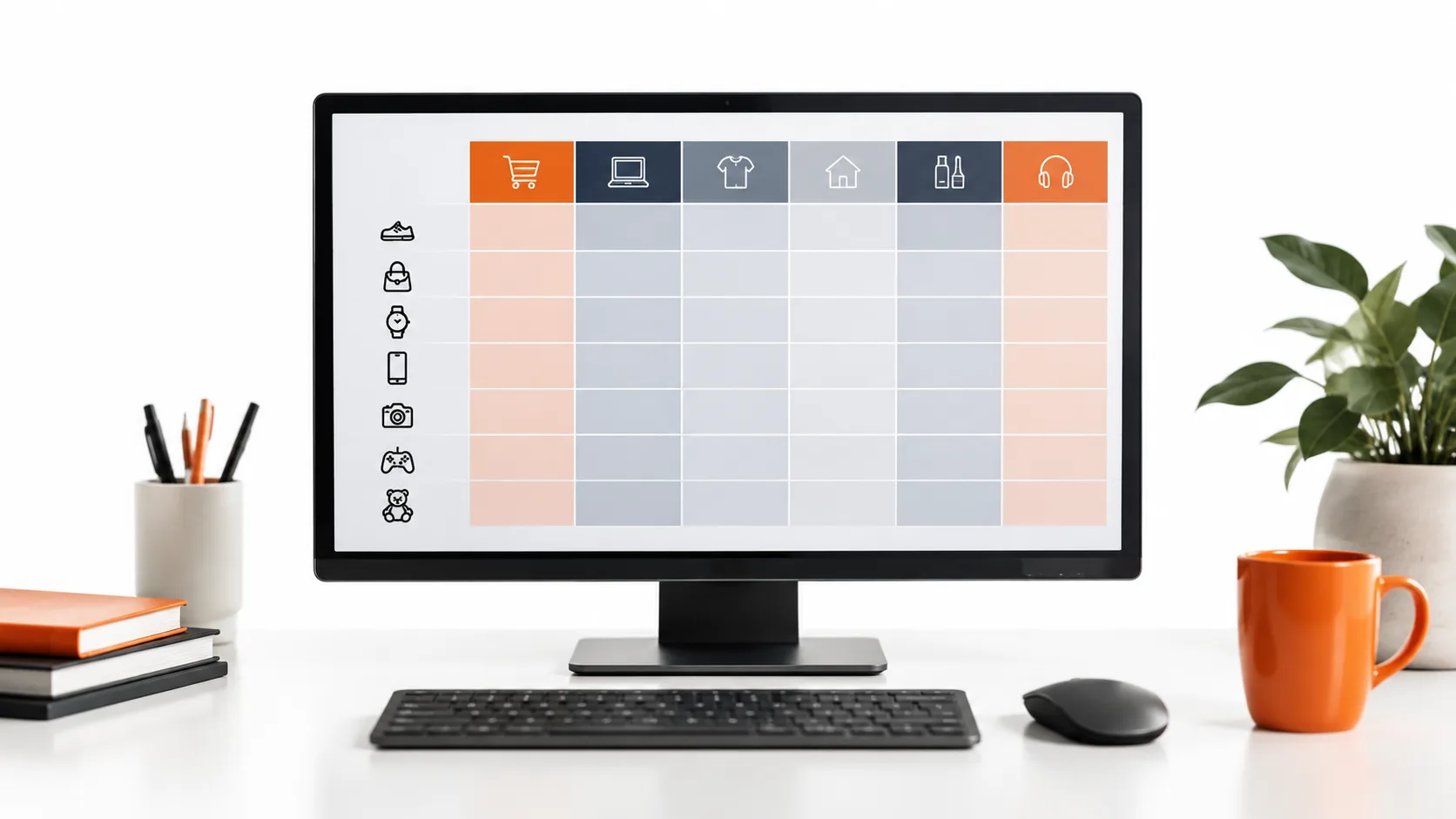
Rates vary wildly by what you’re promoting, and the reason is almost always margin. Here’s what beginners can expect.
Physical products
Physical product programs typically pay 5-15%, constrained by thin gross margins, shipping, and returns. According to Post Affiliate Pro, big retailers like Dell and IBM sit at just 1%, Hifi.com pays 5% per consumer electronics sale, and clothing brands bounce between 2% (Birkenstock) and 12% (Henry and June). Amazon pays up to around 15% on some direct categories but far less on most. If a merchant has to buy, store, and ship a thing, your cut is small.
Digital products and SaaS
Digital products and SaaS programs typically pay 20-40% per sale, or 20-30% recurring per billing cycle. Why? The cost of goods is near zero. Software doesn’t ship. Ebooks don’t warehouse. That margin flows straight to the affiliate budget. Recurring is the real prize here, because one sale pays you every month the customer stays subscribed. If you want to see this model in action, the ClickFunnels affiliate program breakdown is a good case study of recurring SaaS commissions.
High-ticket and financial offers
High-ticket and financial offers often use flat-rate models. Capital One, for instance, pays $25 per referred cardmember rather than a percentage. Mobile app install programs often pay $1-3 per install, a fixed fee tied to an action, not a sale value. According to Adsterra, the average commission rate across all programs falls between 15% and 25%, with a median around 20%.
Takeaway: Physical = small %, digital = big %, financial/apps = flat fees. Match the model to what you promote.
What Factors Determine a Fair Commission Rate?

Before you judge a rate as “good” or “bad,” you need to understand what the merchant is working with on their side. This matters even more if you’re building your own program someday or starting an affiliate marketing company.
Profit margins and sustainability
If a merchant’s profit margin is 15%, offering a 20% commission means losing money on every affiliate sale. Commission must always sit below gross margin. That’s why physical goods cap out where they do. The merchant isn’t being stingy; the math is.
Customer acquisition cost
Customer acquisition cost (CAC) sets the ceiling. Practitioners on the BizzOffers forum recommend keeping affiliate CPA at or below 30-40% of gross profit, which translates to a healthy LTV:CAC ratio of 3:1 or better. If a program is paying more than that, it’s either venture-funded, selling something with huge lifetime value, or on borrowed time.
Competitor benchmarking
Benchmarking competitors’ rates is the standard starting point. Affiliates will compare programs side by side before joining, so a smart merchant looks at what the three or four closest competitors pay and matches it. Cookie duration matters here too… a 30-60 day cookie window is cited as a key factor in whether partners sign up at all. A 7-day cookie on a considered purchase is basically a non-starter.
Performance tiers also work beautifully: 10% base, rising to 15% after $5k/month in referred revenue. That rewards top performers without overpaying every low-volume partner.
Takeaway: A fair rate is one that leaves the merchant profitable and motivates the affiliate. Both sides need to win.
Common Commission Structures Explained

Four structures cover almost every program you’ll see. Know them cold.
| Structure | How it pays | Best fit | Watch out for |
|---|---|---|---|
| Percentage-based | % of sale value | E-commerce, digital goods | Low rates on thin-margin goods |
| Flat-rate | Fixed $ per conversion | Finance, leads, app installs | No upside on big orders |
| Recurring | % every billing cycle | SaaS, subscriptions | High churn kills LTV |
| Performance-tiered | Rate rises with volume | Programs scaling partners | Takes time to hit top tier |
Percentage-based
The most common model. Typical rates are 8-10% for e-commerce, rising to 20-40% for digital products. Simple, predictable, and easy to explain to a new affiliate.
Flat-rate
Flat-rate pays a fixed dollar amount per sale or lead. Great for budgeting and great for lead-gen offers where the sale value varies, but there’s less incentive for affiliates promoting higher-value orders. If you’d like to see how this plays out in practice, our guide to lead generation affiliate marketing covers the fixed-fee model in depth.
Recurring and performance-tiered
Recurring commissions pay you a percentage of every billing cycle for subscription products. Done right, this turns affiliates into long-term partners and compounds revenue. Done wrong, with high churn, you watch promised earnings evaporate month three. Performance tiers reward top partners by raising the rate at revenue milestones, without paying the premium to every partner from day one.
Some programs even combine a flat placement fee (for the content) with a CPA bonus (for conversions). It separates the value of creation from the value of selling.
Takeaway: Pick a structure that matches your traffic style. High-volume content creators love recurring; paid traffic buyers often prefer flat CPA.
What Makes a Commission Rate “Good” for an Affiliate?
Here’s where beginners get burned. The headline percentage is almost meaningless on its own.
EPC over headline percentage
Earnings per click (EPC) is a far more reliable metric than the headline rate because it factors in conversion. A 10% commission on an offer that converts well will beat a 50% commission on a product that barely sells. Experienced affiliates on the BizzOffers forum say the same thing in slightly different ways over and over: filter for EPC stability, not advertised percentages.
If you’re building traffic from scratch, organic traffic generation for affiliate marketing is where EPC starts to really matter, because every click is hard-won.
Red flags to watch for
Commissions above 50% on digital products can signal low quality, poor retention, or unsustainable economics. If a merchant is giving away 60% of the sale, ask yourself what’s wrong with the product that nobody wants to promote it at 30%. Other red flags:
- Vague cookie policies or very short windows (under 14 days)
- Delayed payouts or high minimum thresholds
- No public conversion data or EPC transparency
- Pressure to promote only through specific channels
For beginners, the smart play is to start at the niche’s standard rate, prove your traffic quality, and then ask for a bump. Programs offering 30-50% on quality digital products or SaaS with recurring payouts tend to offer the best long-term income for content-based affiliates. If you need help evaluating programs, the best affiliate marketing platforms for beginners roundup is a useful short-list.
Takeaway: Chase EPC, not percentages. A boring 10% that converts beats a flashy 50% that doesn’t.
How to Get Started
You don’t need to memorize every rate in every niche. You need a plan.
- Pick a niche you can actually talk about. Our niche examples guide has specifics.
- Find 3-5 programs in that niche and compare their rates, cookies, and EPC.
- Start with one that pays recurring or has a strong EPC track record.
- Build an audience through content, email, or paid traffic.
- Track your own EPC by program so you know which to double down on.
If you want a step-by-step on earning that first payout, how to make your first affiliate commission with email marketing is the exact playbook many beginners use.
Conclusion
Typical affiliate commission rates land in predictable ranges once you know the pattern: 5-15% for physical products, 20-40% for digital products and SaaS, and flat fees for financial and lead-gen offers. The right rate balances merchant margins against enough affiliate incentive to attract quality partners, and that balance is why you see such a wide spread across industries.
The real lesson for beginners is this: EPC and conversion rate matter more than the headline percentage every single time. Starting with industry benchmarks, choosing programs with transparent tracking and timely payouts, and moving up through performance tiers is the sustainable path. For more playbooks, strategy breakdowns, and beginner-friendly program picks, visit the blog at jeffaman.com to go deeper. Pick one program this week, promote it honestly, and let the numbers teach you the rest.
FAQ: Frequently Asked Questions
What is the average affiliate commission rate?
Across programs, the average rate falls between 15% and 25%, with a median around 20%. Physical goods pull the average down and digital products pull it up, so the “average” varies heavily by niche.
What is a good affiliate commission rate for beginners to look for?
For physical products, 5-15% is normal and fine to start with. For digital products or SaaS, aim for 20-40%, or 20-30% recurring. Prioritize EPC and conversion data over the headline rate.
Why do digital products pay higher affiliate commissions than physical products?
Digital products have near-zero cost of goods… no manufacturing, no shipping, no inventory. That gross margin leaves far more room to pay affiliates, often 30-40% or more, while physical goods are capped by thin retail margins.
What is the difference between a percentage commission and a flat-rate commission?
Percentage pays you a cut of the sale value, so bigger orders pay more. Flat-rate pays a fixed dollar amount per conversion regardless of order size. Flat-rate is predictable; percentage rewards higher-ticket sales.
What does recurring commission mean in affiliate marketing?
Recurring commission means you get paid every billing cycle the customer stays subscribed, not just once. It’s common for SaaS and membership products, and it compounds nicely when churn stays low over time.
How do I know if an affiliate commission rate is too low to be worth promoting?
Compare it to the niche standard, then look at EPC. If the rate is below the niche norm and the EPC is weak, skip it. A low rate on a high-converting product can still outearn a flashy rate on a dud.
What is EPC and why does it matter more than commission percentage?
EPC is earnings per click, calculated as total commissions divided by total clicks. It bakes in conversion rate, so it tells you what each click is actually worth. Headline percentage ignores whether anyone buys.
Can I negotiate a higher affiliate commission rate with a merchant?
Yes, once you have traffic to prove. Most merchants will raise rates for top performers or offer custom tiers after you’ve sent consistent volume. Lead with your EPC and conversion data, not just click counts.