
Here’s the promise: by the end of this page you’ll understand what marketing automation AI actually is, how it works under the hood, and where to point it first so it doesn’t waste your time. I’ll tell you now… I used to hate the phrase “AI marketing.” Sounded like a buzzword bingo card. Then I watched one dumb little automated email double a week’s commissions. That was the pivot. If you want the practical version of this story, Jeff Aman has a full playbook for building AI-powered workflows that actually move numbers.
Definition: What Is Marketing Automation AI?
Marketing automation AI is the use of artificial intelligence, mostly machine learning, predictive analytics, and real-time decisioning, to run marketing tasks with minimal human babysitting. It watches customer behavior, spots patterns, and adjusts what it does next. Not once a quarter. Continuously. That last word is the whole ballgame, and it changes how you think about automating your online business end to end.
The Plain-English Explanation
Traditional automation is a set of if this, then that rules a human wrote. AI automation writes and rewrites those rules on its own by chewing on behavioral data across every channel. Think of it as the difference between a thermostat and a smart home that learns your habits. The Braze 2026 Global Customer Engagement Review found 93% of marketing leaders say AI gives them more accurate insight into customer preferences than the tools they used before. That’s a big deal for anyone building a beginner-friendly sales funnel.
How It Differs from Traditional Marketing Automation
Old-school automation says “send this email three days after signup.” Full stop. AI automation notices that segment A opens at 9pm, segment B ignores discount offers, and segment C converts on educational content, then it changes future actions accordingly. It also unifies activity across websites, email, ads, and social into one behavioral picture, which is exactly the kind of segmentation that turns cold traffic into leads inside a marketing sales funnel.
Takeaway: if a tool can’t learn from behavior and adjust on its own, it’s not really AI automation. It’s just a scheduler.
How AI Marketing Automation Works

Under the hood, three things are happening at once: data collection, decisioning, and optimization. That’s it. Everything else is packaging. The clearer you can see those three layers, the easier it gets to generate passive income online with affiliate marketing instead of grinding on manual sends.
Data Collection and Unification
AI platforms plug into your CRM to grab customer history, purchases, and engagement records. Then they pull in web, email, ad, and social behavior on top. The workflow reacts to real-time profile updates, so a cart abandonment two minutes ago actually influences what the next email says. That unified view is the same foundation good website traffic generation depends on… you can’t personalize what you can’t see.
Predictive Decisioning and Real-Time Personalization
Machine learning models look at behavioral patterns, preferred send times, offers that land, offers that get ignored, and adjust future campaign actions without you touching a thing. According to McKinsey, 71% of consumers expect personalized interactions and 76% get frustrated when they don’t get them. That’s the business case in one sentence, and it’s why smart list building for beginners leans on adaptive systems from day one.
Continuous Campaign Optimization
Instead of a human reviewing performance every Monday, AI runs continuous tests on creative, segments, and delivery, then quietly shifts budget toward whatever is working. Feedback cycles shrink from weeks to hours. Wasted spend drops. As IBM’s marketing automation research puts it, the system replaces periodic review with round-the-clock algorithmic monitoring, which is exactly the kind of pattern you want feeding an affiliate sales funnel.
Takeaway: collect, decide, optimize. If your current stack skips one, you don’t have AI automation, you have a nicer dashboard.
Key Use Cases and Real-World Examples
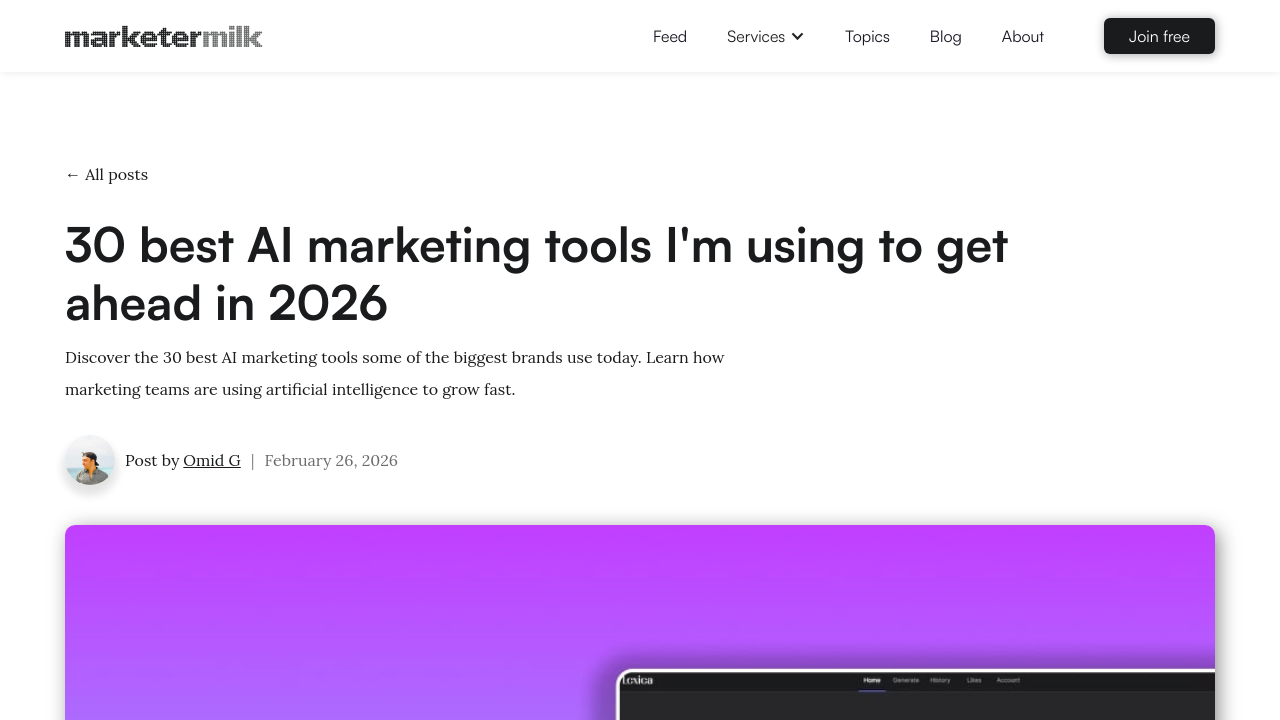
This is where it gets fun, because the tools finally start earning their monthly fee. Brands including Shopify, Instacart, and Airbnb use AI marketing tools internally, per Marketer Milk’s 2026 roundup. You don’t need to be Airbnb… you just need to point AI at the same jobs. Start with the ones that already feed your email marketing authority.
Email and Content Personalization
AI tools tailor subject lines, product suggestions, and send timing to individual behavior without you building a segment for each. That’s how you get from one broadcast to a thousand micro-broadcasts. If you’re still writing every email by hand, this is the fastest way to see how email marketing earns your first affiliate commission on autopilot.
Ad Targeting and Budget Allocation
AI-powered ad tools adjust bids and creative in real time based on performance. Underperforming variations get starved. Winners get fed. That reallocation happens overnight, not next quarter. For anyone leaning on paid channels for web traffic generation, it’s the difference between profitable and breaking even.
Social Media and Sentiment Analysis
Sentiment tools scrape reviews and social mentions, aggregate the positives and the complaints, and hand you a live pulse without a human reading every thread. Competitor intelligence reports can be auto-generated the same way. That kind of always-on listening is why picking the right niche matters so much, and why I keep pointing beginners at niche examples for affiliate marketing.
Takeaway: pick one use case, ship it, then add the next. Don’t try to boil the ocean on week one.
The Rise of Agentic AI in Marketing

Agents are where this gets interesting… and a little weird. Instead of automating one task, an agent runs a chain of decisions, adjusts as it goes, and reports back. Marketers who like the sound of a truly passive income online machine should be paying attention here.
What AI Agents Are and How They Operate
An AI agent uses NLP to understand language, machine learning to evaluate performance, and generative AI to create content like subject lines and ad copy. It can analyze data, decide the next step, and execute across platforms with limited human input. Gartner predicts that by 2028, 33% of enterprise software applications will include agentic AI, up from less than 1% in 2024. That’s a wave worth aligning with, especially if you’re building sales funnels that convert in 2026.
Agentic AI vs. Standard Automation Workflows
Standard automation asks you to define every rule. Agentic AI asks you for objectives and guardrails, then figures out how to hit them, including generating variations, testing them, and reallocating budget. It improves through feedback loops rather than sitting frozen until you edit the flow. That adaptive quality is what makes it feel less like a tool and more like a junior operator, which is a mindset shift worth exploring alongside the easy commission funnel approach.
Takeaway: set goals and rails, let the agent run inside them, review outputs weekly. Don’t hand over the credit card without oversight.
Common Misconceptions About Marketing Automation AI
Let me clear a few things up, because I hear these every week.
Misconception: AI Replaces the Marketing Team / Reality: It Handles Repetitive Tasks
AI eats data processing, segmentation, and routine optimization. It does not replace strategy, brand voice, or ethical judgment. Someone still has to decide what the brand stands for, and someone still has to answer when things go sideways. That human layer is why solid affiliate marketing training for beginners is still worth the money.
Misconception: AI Automation Is Only for Large Enterprises / Reality: Tools Scale to Any Budget
Plenty of AI marketing tools sit at price points that work for a solo affiliate or a five-person team. You don’t need an enterprise contract to run sentiment analysis or optimize send times. If you’ve been wondering whether affiliate marketing is hard for beginners in an AI world, the honest answer is it’s actually easier now than it was three years ago.
Misconception: More Automation Always Means Better Results / Reality: Accountability and Oversight Still Matter
Braze’s 2026 data flagged a 40-point gap between marketer confidence in AI predictions (93%) and consumers who feel brands accurately predict their needs (53%). Translation: bad inputs still make bad outputs, and biased data can quietly reinforce stale segments. Human review isn’t optional. Neither is picking the right niche market for affiliate marketing before you turn the machine on.
Takeaway: AI is a lever, not a replacement. Pull it with intent.
How to Get Started With Marketing Automation AI
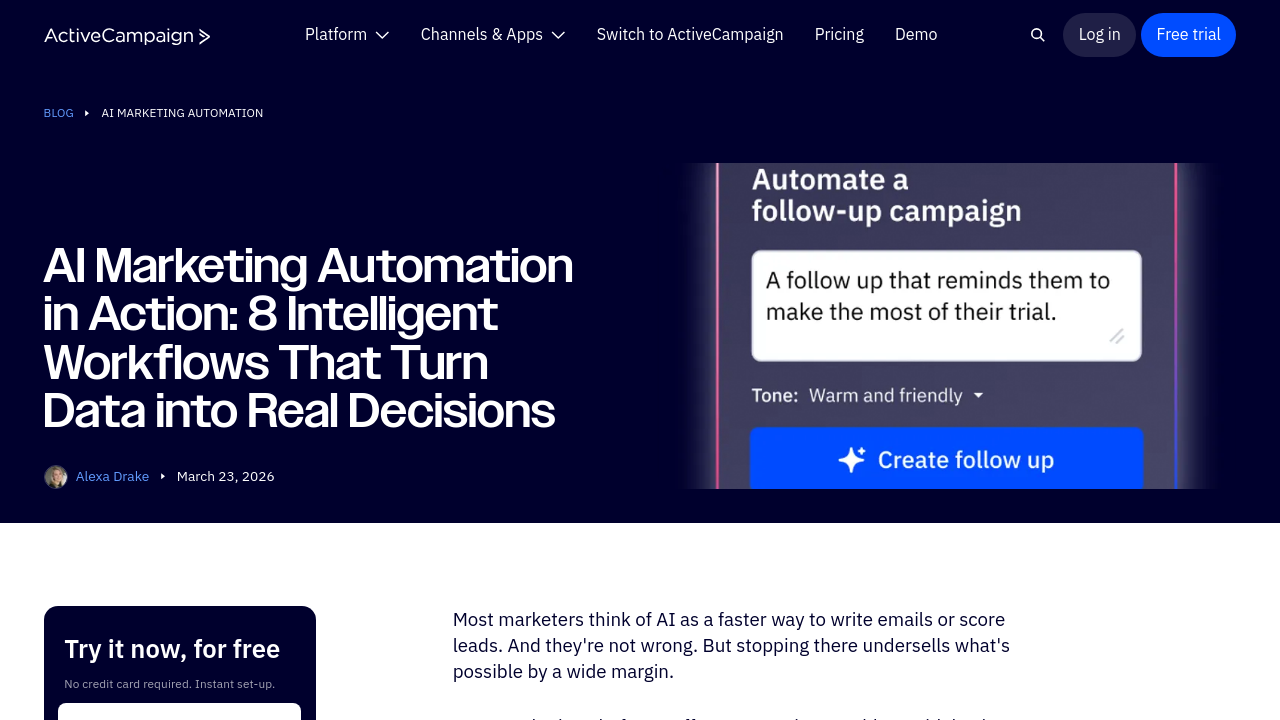
Here’s the practical order of operations. Skip a step and you’ll waste months.
Audit Your Current Marketing Stack
Map your data sources, CRM connections, and workflow gaps before buying anything. If your customer data lives in five spreadsheets and a Gmail inbox, no AI can save you. This is also the moment to check if your funnel structure holds up, and the cleanest primer I know is this B2B sales funnel walkthrough.
Choose the Right Tools for Your Goals
Buy for a specific job: email optimization, ad targeting, content generation, or social listening. Not a broad platform because it looked shiny on a demo. Tool selection driven by outcomes will always beat tool selection driven by feature lists, especially when you’re comparing affiliate marketing platforms for beginners.
Set Objectives and Guardrails Before Launching Workflows
Define what “good” looks like. Write down what the AI is not allowed to do. Start with one high-volume, repetitive task like email send-time optimization, validate the lift, then expand. That crawl-walk-run rhythm is how you create a passive income online from scratch without blowing up your brand along the way.
Takeaway: audit, pick a job, set rails, ship one workflow, measure, expand.
Frequently Asked Questions
What is the difference between AI marketing automation and traditional marketing automation?
Traditional automation follows fixed rules a human wrote once. AI automation analyzes behavior across channels, predicts what a customer will do next, and adjusts its own rules over time based on the patterns it detects.
What are the most common use cases for AI in marketing automation?
Email personalization, send-time optimization, ad targeting and budget reallocation, content generation, sentiment analysis on social media, and automated competitor intelligence reports. Most teams start with one email or ad use case and expand from there.
Does AI marketing automation replace human marketers?
No. AI handles repetitive tasks like segmentation, testing, and optimization. Humans still own strategy, brand voice, ethical guardrails, and creative direction. The best results come from pairing algorithmic execution with human judgment, not swapping one for the other.
What tools are used for AI marketing automation?
Common categories include CRM-connected automation platforms, predictive analytics tools, generative AI content tools, sentiment analysis apps, and agentic workflow builders. Brands like Shopify, Instacart, and Airbnb reportedly use a mix internally, per Marketer Milk’s 2026 roundup.
How does AI personalize marketing campaigns at scale?
By unifying behavioral data across email, web, ads, and social, then using machine learning to tailor message, channel, and timing for each customer. Every interaction refines the next one, which is difficult to replicate with manual segmentation.
What is an AI agent in the context of marketing?
An AI agent is a system that analyzes data, decides next steps, and executes across platforms with limited human input. It uses NLP, machine learning, and generative AI, and manages sequences of decisions rather than one-off tasks.
Is AI marketing automation suitable for small businesses?
Yes. Many tools now sit at solo-affiliate and small-team price points. A small business can start with one high-value use case, like send-time optimization or ad bid adjustment, without needing enterprise infrastructure. The Jeff Aman blog has walkthroughs geared toward that scale.
How do I measure the ROI of AI marketing automation?
Compare pre-AI and post-AI performance on the specific task you automated: open rates, conversion rate, cost per acquisition, revenue per email, or hours saved. Attribute the delta to the workflow, not the tool broadly, and track it monthly.
Wrapping It Up
Marketing automation AI isn’t magic and it isn’t going to replace you. It’s a very good junior operator that never sleeps, and if you give it clean data, clear goals, and honest guardrails, it will quietly compound your results. Start with one use case. Measure it. Add the next. If you want a running head-start on the workflows that actually pay, the practical guides at Jeff Aman’s site will save you a lot of trial and error… and probably a few late nights.