

Let me guess. You want to start an affiliate site, but every time you sit down to pick a topic your brain freezes. Been there. A niche market is a focused segment of a broader market defined by the unique needs, preferences, or characteristics of a specific group of consumers, and for affiliate marketers, choosing the right one is the single most important strategic decision you’ll ever make. At Jeff Aman, the whole approach starts with finding a niche that balances personal interest, audience demand, and monetization potential before you write a single word.
Grab a coffee. Let’s talk about how to actually find yours.
What Is a Niche Market: A Clear Definition
Before you can hunt one down, you need to know what you’re looking at. A lot of folks confuse “niche” with “topic” or “audience”. Not the same thing.
The Core Definition
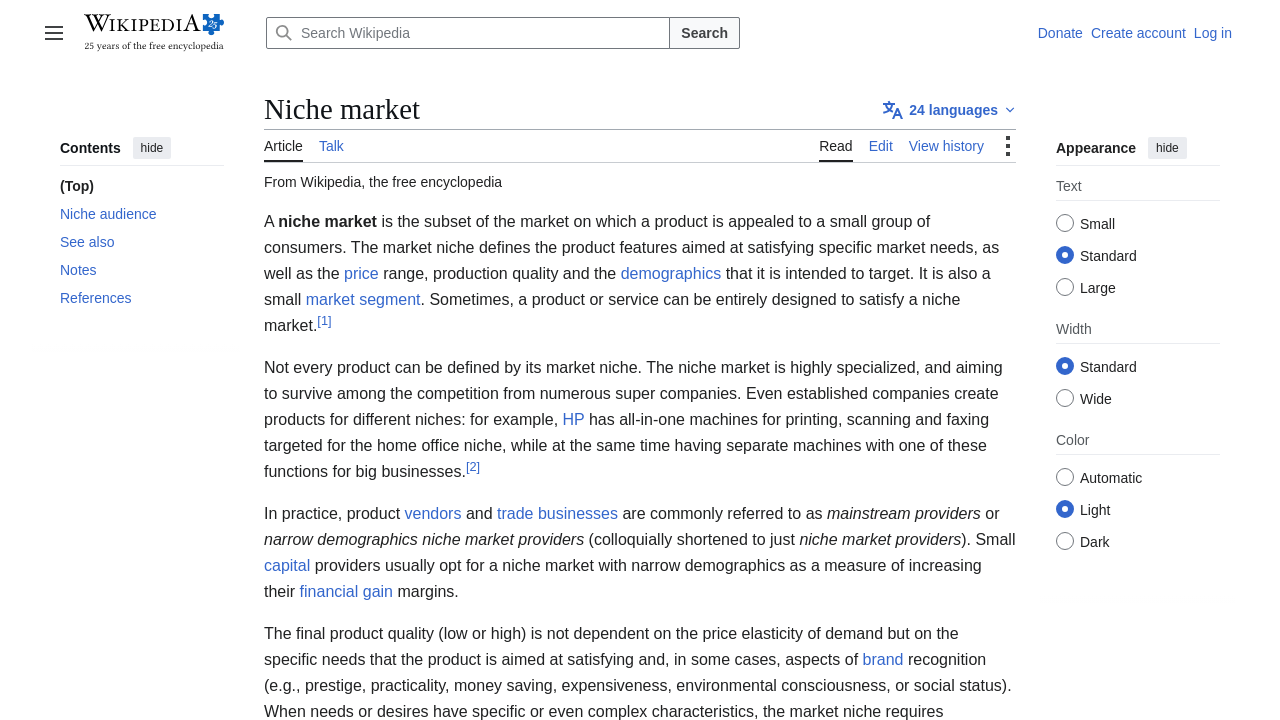
A niche market is a subset of a broader market where a product or service is tailored to a small, highly specific group of consumers with shared needs, according to Wikipedia. Think vegan face wash inside the face wash market… or left-handed scissors inside the office supply world. The affiliate marketing tag archive on the blog has more examples of how this plays out in practice.
According to Coursera, niches get defined through demographic filters (age, income), psychographic filters (behaviors, values, aspirations), and geographic ones too. Mix and match those filters and you get a very specific human you can actually talk to. If you’re brand new to all this, the beginner-guide tag is a good starting spot.
Niche Markets vs. Mass Markets
Mass markets target everyone. Niche markets target narrow demographics. That’s the difference, and it matters a lot when you’re a solo affiliate competing against sites with 40-person content teams. When you narrow down, you reduce competition and speak directly to one specific buyer, which the how-to-choose-a-niche-topic guide walks through step by step.
Even huge companies do this. HP sells all-in-one printers for home offices and separate single-function machines for enterprise buyers. Same brand, different niches.
How Niche Markets Apply to Affiliate Marketing
For an affiliate site, your niche defines three things at once: the content topics you’ll write about, the affiliate programs you’ll join, and the audience segment you’re building the whole thing around. Pick wrong and you’ll be rewriting your homepage in six months. If you want a shortcut through this, the get-started page lays out the exact sequence.
Takeaway: A niche isn’t a topic. It’s a specific buyer plus a specific need plus a specific set of products they’ll pay for.
Why Niche Markets Matter for Affiliate Marketers

Okay so why bother going narrow at all? Wouldn’t a broader site catch more traffic? In theory, sure. In practice, no.
Reduced Competition and Clearer Authority
Niche marketing reduces direct competition by concentrating on segments that broader competitors overlook, according to The Strategy Institute. When you’re the only person writing seriously about, say, ergonomic keyboards for programmers with wrist pain, you don’t need to outrank Forbes. There is no Forbes article for that. The passive income tag collects a bunch of narrow-focus examples worth studying.
Higher Conversion Rates from Targeted Traffic
Targeted niche audiences convert at higher rates because the content precisely matches their purchase intent. A generic “best laptops 2026” post gets pageviews. A “best laptops for freelance video editors under $1500” post gets commissions. The first-affiliate-commission-with-email guide explains why intent beats volume every time.
You can also charge more, indirectly. Premium-priced affiliate products are easier to sell inside niches because buyers recognize and value specialized recommendations.
Stronger Brand Loyalty and Long-Term Revenue
Serve a niche well and people remember you. They come back. They join your list. They forward your emails. That translates into repeat commissions over years, not one-off clicks. If list building is where you want to end up, starting an email list as a beginner is where the loyalty flywheel actually kicks in.
Takeaway: Narrow beats broad on competition, conversion, and customer loyalty. The math is not close.
How to Identify Your Niche Market in Five Steps

Here’s the framework. Follow it in order. Skipping steps is how people end up two months in with a site nobody wants.
Step 1: Start With Interest and Experience
Mailchimp recommends beginning niche discovery by listing personal passions and areas of existing knowledge, since content production over the long haul requires genuine interest. If the topic bores you now, it’ll be torture at month nine. The digital marketing category has posts on aligning skills with niche picks.
Step 2: Validate Market Demand
Interest without demand is a hobby, not a business. Use keyword research tools, check Google Trends, and lurk in forums like Reddit and Quora to confirm real people are actively searching for information in the niche. The niche examples for affiliate marketing post has concrete demand-validation examples you can copy.
Step 3: Assess Competition and Profitability
Two questions here. Do affiliate programs exist in the niche, and what do they pay? And who’s already ranking? A niche dominated by Wikipedia and Forbes is way harder to break into than one with smaller independent bloggers. Also worth analyzing per Coursera: demographics, psychographics, and firmographics for B2B niches. The product reviews section shows what a monetized niche site looks like in the wild.
Takeaway: Interest + demand + monetization. All three or don’t start.
Niche Market Examples Across Key Affiliate Categories

Let’s get concrete. Here are three flavors of niche that consistently work for affiliates.
Physical Product Niches
Mirasee documents left-handed retailer Lefty’s as a classic niche win: targeting the 10-12% of the population that’s left-handed still leaves plenty of commercial upside. Eco-conscious buyers are another growing pocket… brands like Bee’s Wrap target plastic-free food storage, a sub-segment of kitchen products. The online business tag collects more physical-product niche breakdowns.
Digital Product and Course Niches
Per Coursera, digital niches like courses for aspiring novelists or long-distance runners show how psychographic characteristics (goals, aspirations) can define a very specific buyer. High-ticket courses in tight niches pay affiliate commissions that make Amazon Associates look like pocket change. If passive income is the goal, earning passive income online as a beginner covers the digital-product angle.
Service-Based and SaaS Niches
SaaS affiliate niches usually revolve around job function… project management for remote teams, invoicing for freelancers, scheduling for barbershops. Recurring commissions are the reason SaaS is such a favorite among serious affiliates. Automation is a huge sub-pocket here, and the automating an online business guide shows how to build a site around it.
Takeaway: The most profitable affiliate niches keep landing in the same buckets: personal finance, health and wellness, software tools, and online education.
Common Misconceptions About Niche Markets
Let’s clear up some stuff I hear all the time from new affiliates.
Misconception: Smaller Niches Always Mean Less Money
Reality: Smaller niches often command higher affiliate commissions because vendors charge premium prices to buyers with very specific, urgent needs. A niche with 5,000 monthly searches and strong commercial intent can quietly outperform one with 500,000 searches and weak intent. More on this over on the featured posts category.
Misconception: You Must Be a Certified Expert
Reality: You don’t need credentials to succeed. Consistent research, transparent sourcing, and honest first-hand community engagement build enough authority over time. The building authority through email marketing post is the playbook I’d point you at.
Misconception: A Niche Is a Single Topic Forever
Reality: A niche is a starting point. Once you’ve got authority in your original segment, expanding into adjacent sub-niches is how sites scale. Broad niches like “health” or “technology” are not viable starting points… too crowded. Refine to something like “posture correction for desk workers” instead. The list-building tag has expansion-stage tactics worth bookmarking.
Takeaway: Small doesn’t mean poor. Credentials aren’t required. And niches evolve.
How to Get Started Choosing Your Affiliate Marketing Niche
Time to actually commit. Here’s how to do it without regret.
Use a Niche Selection Framework
Evaluate three variables at once: personal interest (will you produce content for 12+ months?), market demand (are people searching?), and monetization (do affiliate programs exist with decent commissions?). Miss one and the whole thing wobbles. The passive income from scratch guide uses this exact three-variable filter.
Test Before You Commit
Before you go all-in, write five to ten test articles to confirm the niche has enough sub-topics to sustain a full site. Audit existing affiliate sites in the space with Ahrefs or Semrush to see whether it’s growing, saturated, or underserved. Then join niche-specific communities on Reddit, Facebook Groups, and forums before writing more. Real language, real pain points, real questions. That’s your content calendar. The start-generating-passive-income-today post walks through the test-before-commit sequence.
Weigh both short-term ranking potential (low-competition sub-topics available) and long-term monetization depth (multiple affiliate programs, diverse product price points). If both check out, you’re ready. If not, keep looking. The blog archive has case studies of both wins and misses to learn from.
Takeaway: Frame it, test it, then commit. In that order.
Frequently Asked Questions
What is the difference between a niche market and a target market?
A target market is who you sell to overall. A niche market is a smaller, more specific slice within that target market with shared needs, characteristics, or buying behavior. Every niche is a target market, but not every target market is a niche.
How small does a niche market need to be for affiliate marketing?
Small enough that you’re not fighting Forbes for rankings, big enough that thousands of people search relevant terms every month. A rough sweet spot is 5,000 to 50,000 monthly searches across your main keyword cluster with clear buyer intent.
Can you make a full-time income from a niche affiliate site?
Yes, thousands of affiliates do. Full-time income usually requires 12 to 24 months of consistent publishing, an email list, and at least one high-converting affiliate program. Recurring SaaS commissions and premium digital products get you there fastest.
What are the most profitable niches for affiliate marketing?
The evergreens keep winning: personal finance, health and wellness, software and SaaS, online education, and productivity tools. Profitability inside each depends more on buyer intent and program payout than category size. Narrow sub-niches inside these categories consistently outperform broad picks.
How long does it take to see results from a niche affiliate site?
Expect three to six months for early Google traction, six to twelve for meaningful commissions, and twelve to twenty-four for a real income. Building an email list from day one shortens that timeline significantly because you stop depending entirely on search.
What happens if my niche is too competitive?
Refine further. If “fitness” is too crowded, go to “kettlebell training for people over 50”. Every broad niche has under-served sub-niches. Look at forum questions nobody’s answering well and build content clusters around those gaps first.
Should I choose a niche I’m passionate about or one that makes money?
Both. Passion alone doesn’t pay bills, and pure profit-chasing burns you out by month four. Pick the intersection: something you’d happily read about on a Saturday and has proven affiliate programs. That overlap is where sustainable affiliate sites live.
How do I know if a niche has enough affiliate programs to be worth it?
Search “[your niche] affiliate program” and see what comes up. You want at least three to five reputable programs with commissions above 10% (or recurring SaaS payouts). Check Impact, ShareASale, and direct vendor sites. Fewer than three is a warning sign.
Wrapping Up
Picking a niche is the make-or-break decision. Get it right and everything downstream, content, SEO, email, monetization, gets easier. Get it wrong and no amount of hustle rescues the site. Use the three-variable framework: interest, demand, monetization. Test with a handful of articles before committing. Then go build. When you’re ready to take the next step, Jeff Aman’s affiliate marketing resources walk you through turning that niche pick into your first commissions.
Go find yours.