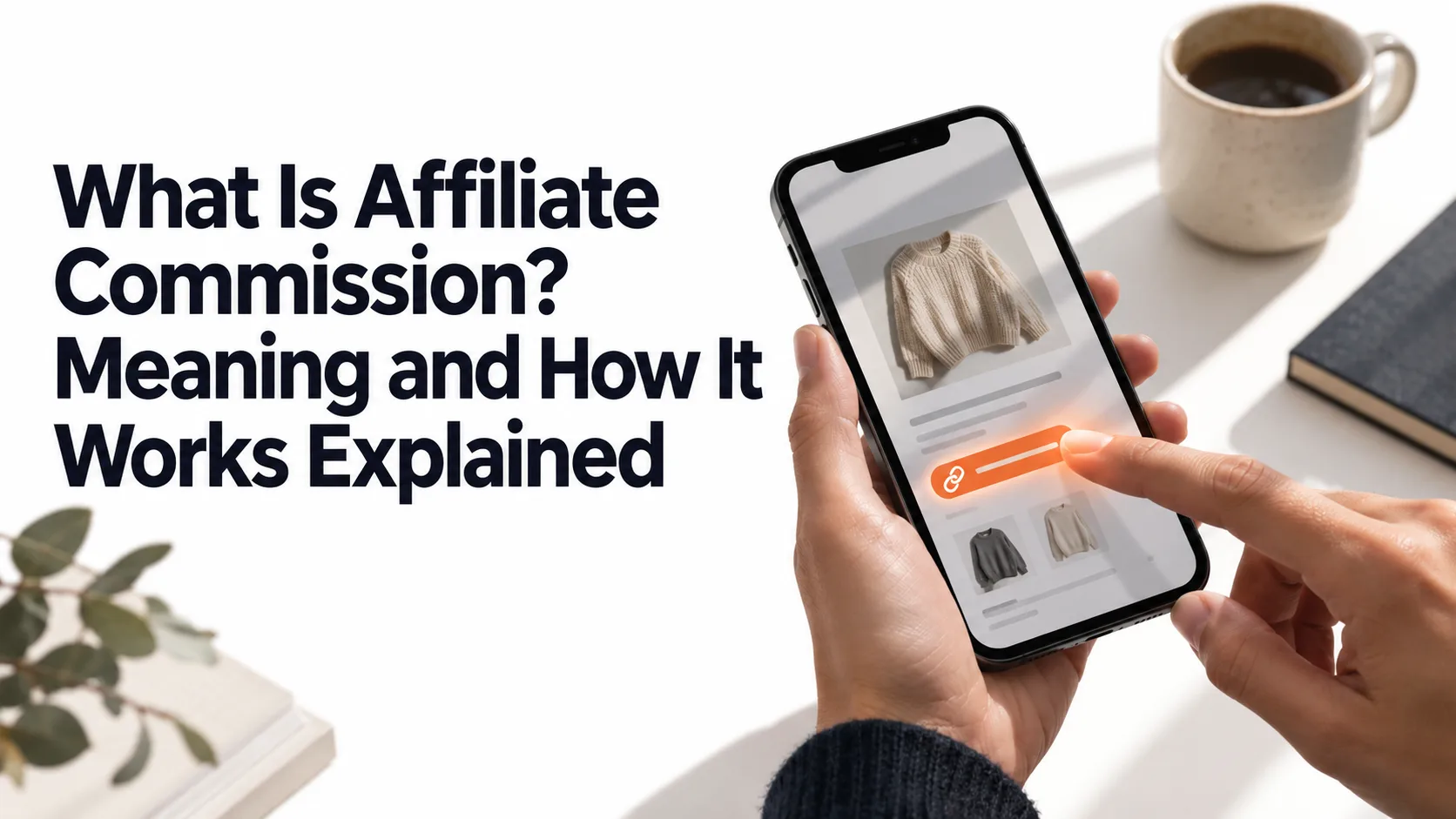

An affiliate referral is when you send a person to a company’s product through your own tracked link and earn a commission when that person signs up or buys. It’s the core mechanism of affiliate marketing, and the commission is usually a percentage of the sale or a flat rate per referral. Sounds simple… and it is. The tricky part is doing it in a way that keeps paying. Here at Jeff Aman, we publish beginner guides on affiliate marketing, email marketing and sales funnels.
What Is an Affiliate Referral?
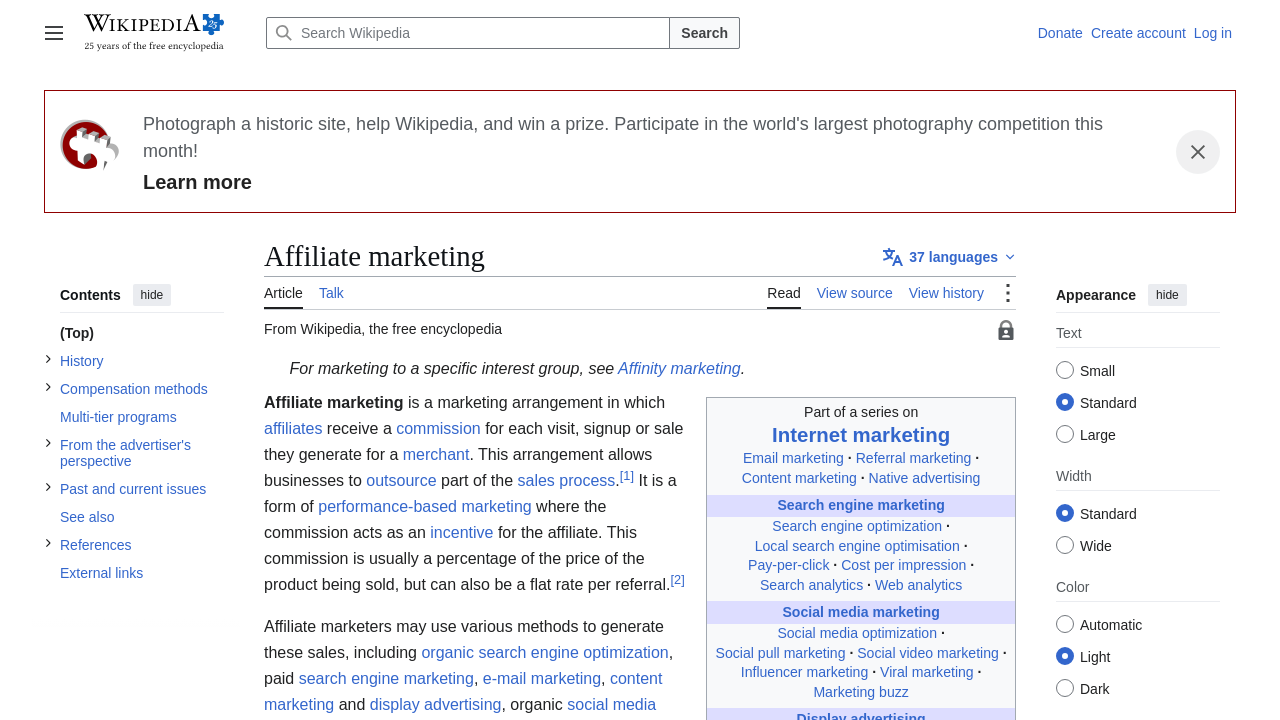
According to Wikipedia’s entry on affiliate marketing, affiliate marketing is an arrangement in which affiliates receive a commission for each visit, signup or sale they generate for a merchant. An affiliate referral is one of those generated actions, tracked back to you through a unique link or code. The commission is usually a percentage of the product price, though it can also be a flat rate per referral.
In plain language: you recommend something, the company knows it came from you, and you get paid when it works.
One quick distinction. Affiliate marketing usually means working with outside partners who promote a product for commission. Referral marketing usually means getting existing customers to tell friends. Same family, different cousins.
Takeaway: if there’s a tracked link and a commission, you’re doing affiliate referrals.
How an Affiliate Referral Works, Step by Step

The basic flow
- Join a program. You apply or register with a company or network.
- Get your link. The program issues a unique tracked link.
- Share it. Email, social posts, videos, blog content… wherever your audience hangs out.
- Tracking kicks in. When someone clicks, the program records that the visit came from you.
- Earn the commission. If that person signs up or buys, you get credited.
Think of the link as a name tag. Without it, nobody knows you brought the guest to the party.
Example: a free funnel in action
Here’s a real flow using the Easy Commission Funnel (ECF), a free, prebuilt affiliate marketing system. You register for free, get a unique link, and send people to it. That’s it on the setup side.
ECF is done-for-you: a prebuilt page, expert video content, and automated follow-ups from day one. It also includes LeadsLeap integration for lead management and SendShark for broadcast emails. And here’s the part most beginners miss… new leads are routed into your own autoresponder, so you build an independent list instead of renting someone else’s.
ECF 2.0 packages seven passive income opportunities into one funnel, so a single lead can trigger commissions across multiple programs. One visitor, several possible paydays.
Now a worked commission example. Say you promote a product priced at $50 that pays 30%. Each sale earns $15. If 200 people click your link and 2% buy, that’s four sales, or $60. Modest? Sure. But those 200 clickers who joined your list can hear about the next offer too. That’s why a list beats a lonely link. For a deeper look at the email side, see this guide on affiliate email marketing to build and monetize your list.
Takeaway: a link earns once; a list can earn again and again.
Why Affiliate Referrals Matter
Use case: brands outsourcing sales
Companies use affiliates to outsource part of the sales process and pay only for results. impact.com, for example, says its referral partner program pays up to $30,000 per referral for creators, consultants and affiliates who introduce brands to its platform. That’s the vendor’s own claim, and it’s aimed at people already in the partnership space.
Use case: creators monetizing an audience
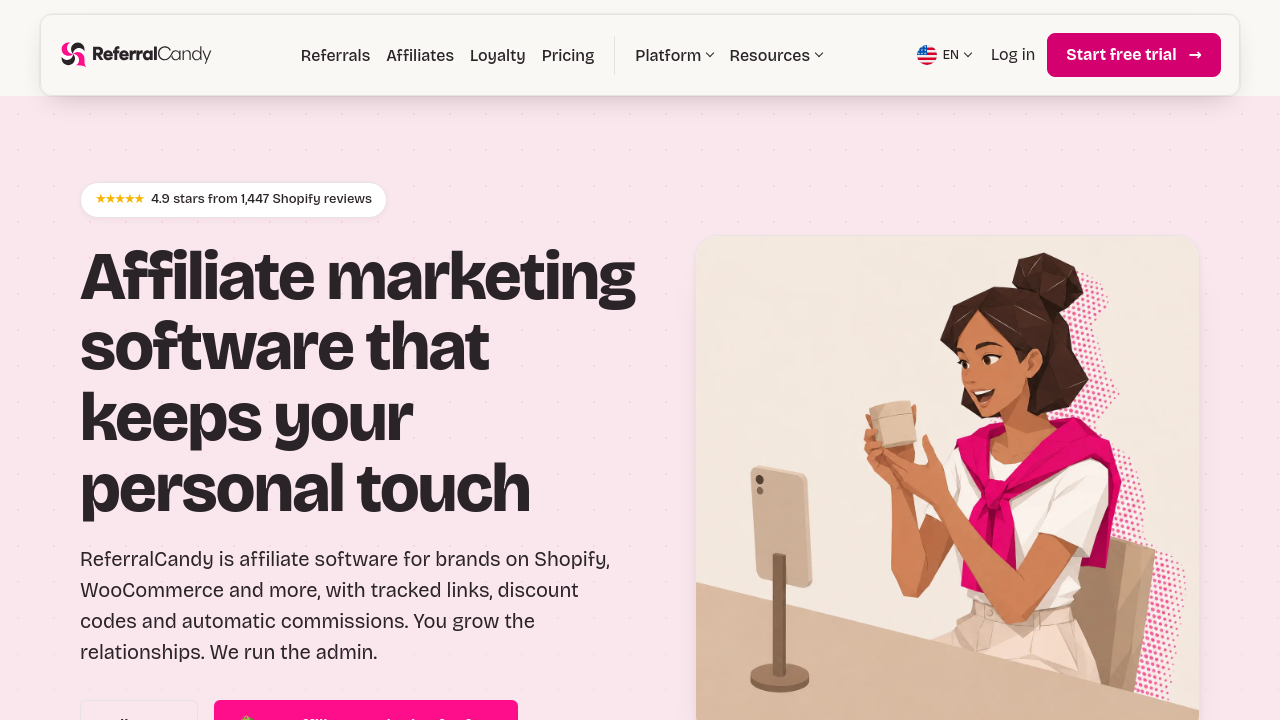
Creators with followers can earn on recommendations they already make. ReferralCandy shows a tiered example on its site: 15% commission for the 1st to 9th referral, 20% for the 10th to 19th, and 25% from the 20th on. The more you refer, the better the rate. Want to compare niches? Browse these beginner affiliate programs in the supplement space or a roundup of the highest commission affiliate programs.
Use case: beginners with no product
No product, no audience, no budget? This is where affiliate referrals shine. A free system like ECF gives beginners and struggling marketers a ready-made funnel to send traffic to. If you’re unsure which platform fits, check this list of affiliate marketing platforms for beginners.
Takeaway: pick the use case that matches where you are today, not where you hope to be.
Common Misconceptions About Affiliate Referrals

Misconception: It is the same as referral marketing
Reality: Affiliate marketing is about partners promoting for commission; referral marketing is usually customers telling friends. Plenty of programs blur the two, but the motivation and audience differ.
Misconception: You need a product or a website
Reality: You need a link and somewhere to send people. A prebuilt funnel like ECF handles the page, videos and follow-ups, so a website is optional at the start.
Misconception: Every program pays the same
Reality: Not even close. ReferralCandy describes tiers from 15% to 25%, while impact.com advertises up to $30,000 per referral. Rates, cookie windows and payout schedules vary. Read the terms, and brush up on what affiliate commission means and how it works.
Misconception: It is instant money
Reality: People do make money, but consistency and list building do the heavy lifting. Jeff Aman states he has generated multiple six figures in affiliate commissions year after year and reached #1 on the leaderboard across multiple platforms. He also left his full-time job within about a year of focusing on daily list building. Note the word daily.
Takeaway: expect a learning curve, and show up every day anyway.
Related Concepts
Affiliate marketing
A performance-based arrangement where you earn commission for visits, signups or sales you send to a merchant.
Referral marketing
Getting existing customers to recommend a business, often for a reward or discount.
Commission
What you get paid per referral, usually a percentage of the sale or a flat rate.
Sales funnel
The series of pages and messages that moves a visitor from curious to buyer. Here’s how to build an affiliate marketing funnel that converts.
Autoresponder
Email software that sends follow-ups automatically, so leads hear from you while you sleep.
Affiliate link
A unique tracked URL that tells the merchant a visitor came from you.
Takeaway: learn these six terms and most affiliate jargon stops being scary.
How to Get Started Today
- Pick a beginner-friendly program. Look for clear terms and real training. These affiliate marketing training programs for beginners are a good starting point.
- Register for free. ECF is free to register and includes a free paid-traffic bonus at sign-up.
- Grab your unique link. Test it once so you know it works.
- Build your email list from day one. Connect your autoresponder so every lead lands on your list.
Need the bigger picture first? Here’s how to start affiliate marketing as a complete beginner, plus a plan for starting with no money.
Takeaway: do step one before you close this tab.
FAQ: Frequently Asked Questions
What is an affiliate referral?
It’s when you send someone to a company’s product through your own tracked link and earn a commission if they sign up or buy. Commission is usually a percentage of the sale or a flat rate per referral.
Is an affiliate referral the same as referral marketing?
Not quite. Affiliate referrals involve partners promoting a product for commission. Referral marketing usually means existing customers recommending a business to friends. Both rely on word of mouth, but the people and incentives differ.
Do people actually make money with affiliate links?
Yes, but results vary widely. Earnings depend on your traffic, the offer, the commission rate and, above all, consistency. Building an email list helps, because one subscriber can respond to many offers over time.
What is the highest paying affiliate program?
The highest paying affiliate program is the one whose payout structure fits your niche and audience, since commissions are usually a percentage of the sale or a flat rate per referral. For a high-end example, impact.com states its referral partner program pays up to $30,000 per referral for qualifying introductions, while ReferralCandy shows tiers from 15% to 25%. To compare options, check each program’s current terms, then weigh the payout against how likely your audience is to convert.
Which app gives $100 per referral?
Several apps and platforms offer flat referral bonuses, but amounts change often and depend on terms. Check each program’s current rules directly, since payouts, eligibility and conditions are set by the company and can shift.
Do I need money to start?
No. Many programs are free to join, and the Easy Commission Funnel is free to register. Money can speed up traffic later, but you can start with free methods like email, content and social posts.
How do I get paid for referrals?
The program tracks your link, credits qualifying signups or sales, then pays on its schedule. Payout methods vary by program, so check each program’s terms. Always check the minimum payout and timing in each program’s terms.
Conclusion
An affiliate referral is simple: tracked link in, commission out. The real win comes from building a list so every referral keeps working for you. Jeff Aman founded the Easy Commission Funnel and creates affiliate marketing courses for exactly this kind of beginner. Your next move? Register free, grab your link, and send your first visitor today.