Ever pour money into ads, watch a wave of “interested” people show up… and then hear crickets? Yeah. Been there. That gap between traffic and sales is exactly what a sales funnel explains. It’s the map of how a stranger becomes a lead, then a buyer, then (if you play it right) a repeat customer. In this guide, Jeff Aman breaks down sales funnels meaning in plain English, stage by stage, so you can spot leaks and plug them.
Definition: What Does Sales Funnel Mean
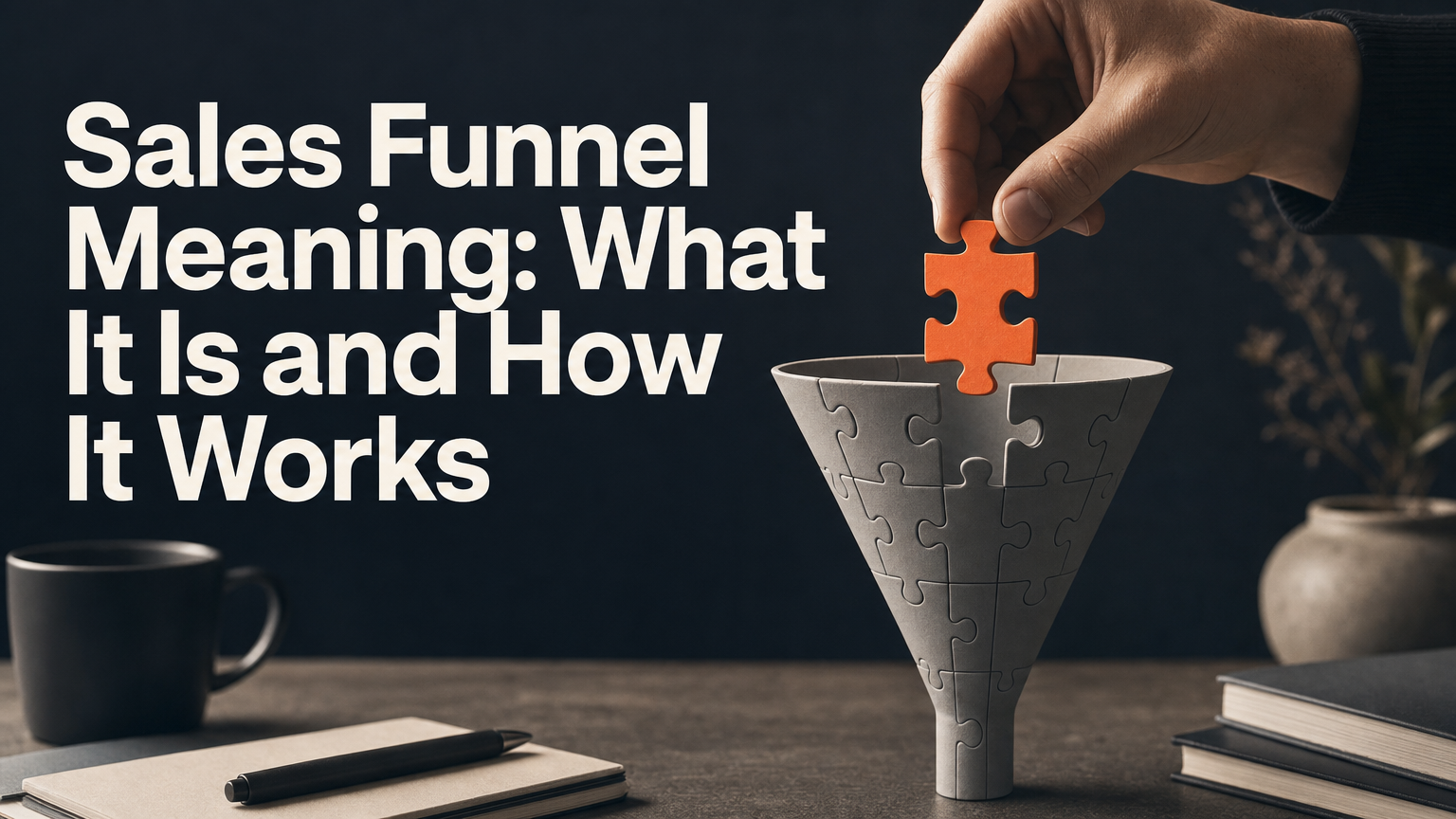
A sales funnel is a visual roadmap of the journey a prospect takes from first hearing about you to swiping the card. It’s sometimes called a marketing funnel or a purchase funnel. The word “funnel” is literal: lots of curious people enter at the top… fewer make it out the bottom as paying customers. That narrowing is the whole point of the model, and it’s why smart marketers build beginner-friendly online business systems around it.
The Core Concept in Plain English
Think of the funnel as your prospect’s story, not your sales script. It charts how a real human moves from “I’ve never heard of you” to “here’s my email” to “take my money.” Every stage has a different mindset, and your job is to meet them where they are. That’s why customer-journey thinking beats spraying ads at cold audiences and hoping for the best.
Sales Funnel vs Marketing Funnel vs Sales Pipeline
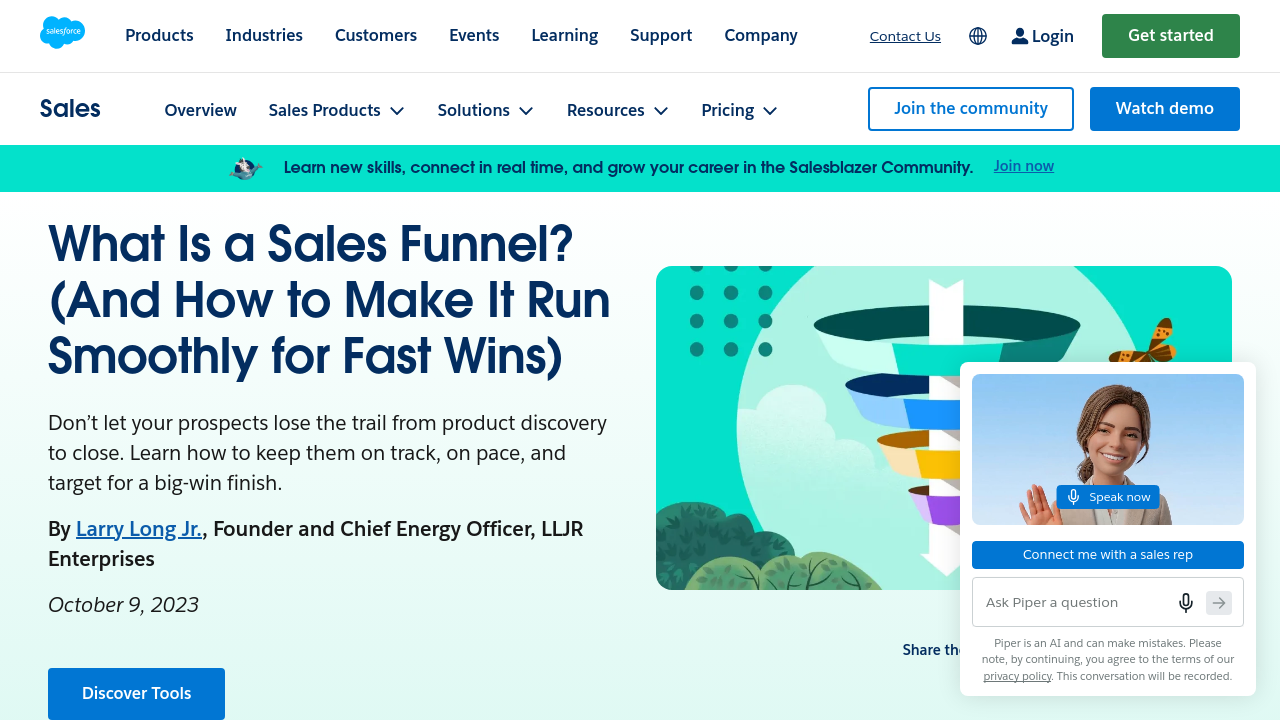
Quick untangling. A marketing funnel is about brand awareness, pulling attention. The sales funnel picks up when marketing hands over a warm lead, and it’s buyer-centric… charting the prospect’s mindset. A sales pipeline is seller-centric, tracking deal stages from the rep’s side. Per Salesforce, prospects don’t always move in a straight line, so treat the funnel as a guide, not a rigid track. If you’re just starting out, our get-started page walks you through which model to build first.
Takeaway: the funnel is the buyer’s story; the pipeline is the seller’s checklist. Don’t confuse them.
The Stages of a Sales Funnel Explained

Keap identifies four core stages: Awareness, Interest, Decision, and Action. Some models stretch that to six or more, but four is enough to work with. Each stage needs its own content, its own tone, and its own call to action. Skip one, and your funnel leaks. If you want to see this stitched together, our sales funnel examples that convert roundup shows the shape in the wild.
Top of Funnel: Awareness
This is where cold strangers first bump into you. Social posts, blog articles, YouTube videos, targeted ads, a friend’s recommendation… anything that says “hey, we exist.” The goal isn’t to sell. It’s to earn a click and, ideally, an email. Think free guides, quizzes, or a beginner’s roadmap to passive income that solves a small problem in exchange for a name.
Middle of Funnel: Interest and Decision
Now they’re weighing you against competitors. Pricing pages, comparison posts, webinars, and email sequences do the heavy lifting here. This is where trust gets built or lost. A well-run email nurture sequence for affiliate beginners can move a lukewarm reader from “maybe” to “when’s your next launch?” faster than any retargeting ad.
Bottom of Funnel: Action and Conversion
The prospect is ready. All that’s left is the checkout page, the sales call, or the demo. Friction kills deals at this stage, so keep the offer clear and the buy button obvious. Post-purchase, the funnel doesn’t stop; upsells and referrals extend it. That’s a topic our featured posts hub digs into further.
Takeaway: match the content to the mindset. Awareness gets a blog post, decision gets a demo.
How a Sales Funnel Works in Practice

Theory is cute, but funnels live or die in the touchpoint layer.
Mapping Touchpoints Along the Journey
A touchpoint is any place a prospect interacts with your brand: an ad impression, a blog visit, an email open, a checkout attempt. Businesses map these to funnel stages so nothing falls through the cracks. Miss a follow-up email? That’s a leak. Forget to tag a landing page? Also a leak. If you’re building this from scratch, our list-building starter guide shows the touchpoints most beginners skip.
The Role of Lead Nurturing and Follow-Up
Follow-up is where money is made. IBM’s overview notes that organizations using AI and machine learning inside their funnels can predict customer behavior and address objections before they stall the deal. Even without fancy AI, a simple drip sequence keeps you top of mind while the prospect makes up theirs. Our post on building authority through email walks through the tone that actually earns replies.
Takeaway: nurture is not spam. It’s showing up consistently at the moments your prospect is quietly deciding.
Why the Sales Funnel Matters for Business Growth

Here’s the honest bit: most small businesses don’t have a funnel problem. They have a visibility problem. They don’t know which stage is leaking.
Diagnosing Drop-Off Points
Keap describes many small business funnels as sieves, riddled with holes from missed follow-ups, forgotten appointments, and spreadsheets held together with hope. When you map the funnel, drop-off becomes visible. Suddenly you can see that 80% of leads die between the newsletter opt-in and the first sales email. That’s fixable. Our automation guide covers the tooling that catches these gaps.
Improving Conversion Rates at Each Stage
Optimizing one stage at a time creates compounding gains. Bump your opt-in rate 10%, then your email click-through 10%, then your checkout 10%, and suddenly your revenue is up ~33% on the same ad spend. Salesforce points out that sellers who understand the funnel meet prospects in the moment and build the trust that moves deals. Not magic. Just smart, patient marketing.
Takeaway: don’t spend more on traffic until you’ve fixed the biggest leak. Fix the funnel first.
Common Misconceptions About Sales Funnels
Funnels get talked about a lot, and half of what people repeat is wrong. Let’s clean that up. If you’d rather skim more myths from our archive, the Jeff Aman blog has a running series.
Misconception: The Funnel Is a One-Way Path
Reality: Salesforce explicitly says the funnel is a guide, not a track. Prospects bounce between stages, disappear for six weeks, then buy on a whim. Build for the zig-zag, not the straight line. That’s why passive-income systems built from zero prioritize automated re-engagement.
Misconception: Sales Funnels Only Apply to Large Businesses
Reality: every business has a customer journey. A solo consultant selling a $200 coaching call has a funnel. So does an enterprise SaaS closing $2M deals. The scale differs; the model doesn’t. Small operators actually benefit more, because one focused niche plus a tight funnel beats a giant funnel with muddy targeting.
Misconception: The Funnel Ends at Purchase
Reality: the purchase is a checkpoint, not the finish line. Retention, upsells, and referrals live on the other side. IBM notes funnels are dynamic and evolve as tech and customer preferences shift, so your post-purchase experience matters as much as your opt-in page. Our product reviews section shows how post-sale content builds repeat buyers.
Takeaway: funnels are messy, small-business-friendly, and never really end.
How to Build and Optimize Your Sales Funnel
Ready to actually build one? Two moves.
Defining Your Funnel Stages and Audience
Start by mapping the customer journey you already have, even if it’s ugly. Every touchpoint from first click to closed deal. Then align content to stage: educational blog posts and social ads up top, case studies and demos in the middle, pricing pages and consultations at the bottom. Not sure what to write? Our guide on picking a niche topic is the right starting point.
Choosing the Right Tools and Tactics
CRM software and marketing automation track prospect progress, automate follow-ups, and surface high-intent signals. IBM highlights that integrating generative AI and automation makes personalized experiences possible at scale… tailored emails, dynamic landing pages, the works. But tools without a plan are just expensive spreadsheets. Audit each stage with drop-off rates, find the single biggest leak, and fix it before moving on. If you want a ground-up build, our step-by-step passive income guide lays out the stack most beginners actually need.
Takeaway: map first, tool second. And fix your biggest leak before touching anything else.
Frequently Asked Questions
What is the meaning of a sales funnel?
A sales funnel is a visual model of the journey a prospect takes from first hearing about your product to purchasing it. It narrows as people drop off, letting you see where prospects stall and where revenue leaks.
What are the main stages of a sales funnel?
Most models use four stages: Awareness (they discover you), Interest (they compare options), Decision (they engage sales or demos), and Action (they buy). Some frameworks add retention and advocacy stages after the purchase itself.
What is the difference between a sales funnel and a marketing funnel?
A marketing funnel focuses on brand awareness and attracting attention through ads, content, and social channels. The sales funnel picks up where marketing hands off, guiding qualified leads through evaluation to a final purchase decision.
What is the difference between a sales funnel and a sales pipeline?
A sales pipeline is seller-centric, tracking rep actions and deal stages like negotiation or contract. A sales funnel is buyer-centric, mapping the prospect’s mindset and experience as they move toward purchase.
Why is a sales funnel important for a business?
It reveals where prospects drop off so you can fix specific leaks rather than throwing more money at traffic. Understanding the funnel lets teams allocate budget precisely and produce compounding revenue gains stage by stage.
How do you build a sales funnel from scratch?
Map your existing customer journey, align content types to each stage, then add a CRM and email automation to track prospects. Jeff Aman’s automation walkthrough covers the tooling most beginners need first.
What happens at the bottom of the sales funnel?
The prospect converts. Sales conversations, checkout pages, demos, or consultations close the deal. Then the funnel technically continues into onboarding, upsells, and referrals, which many modern frameworks treat as extensions of the model.
Do sales funnels work for small businesses?
Absolutely. Small businesses often benefit most because a tight, focused funnel outperforms a large but leaky one. A solo consultant with a clean opt-in, nurture sequence, and offer page can rival much bigger operations.
Conclusion
A sales funnel isn’t a magic diagram; it’s a lens for seeing where your prospects actually are and what they need next. Map the journey, align your content, plug the biggest leak, then repeat. Do that patiently and the compounding shows up faster than you’d think. If you want a starting playbook plus the tools I actually use, Jeff Aman’s resources will get you moving this week, not next quarter.