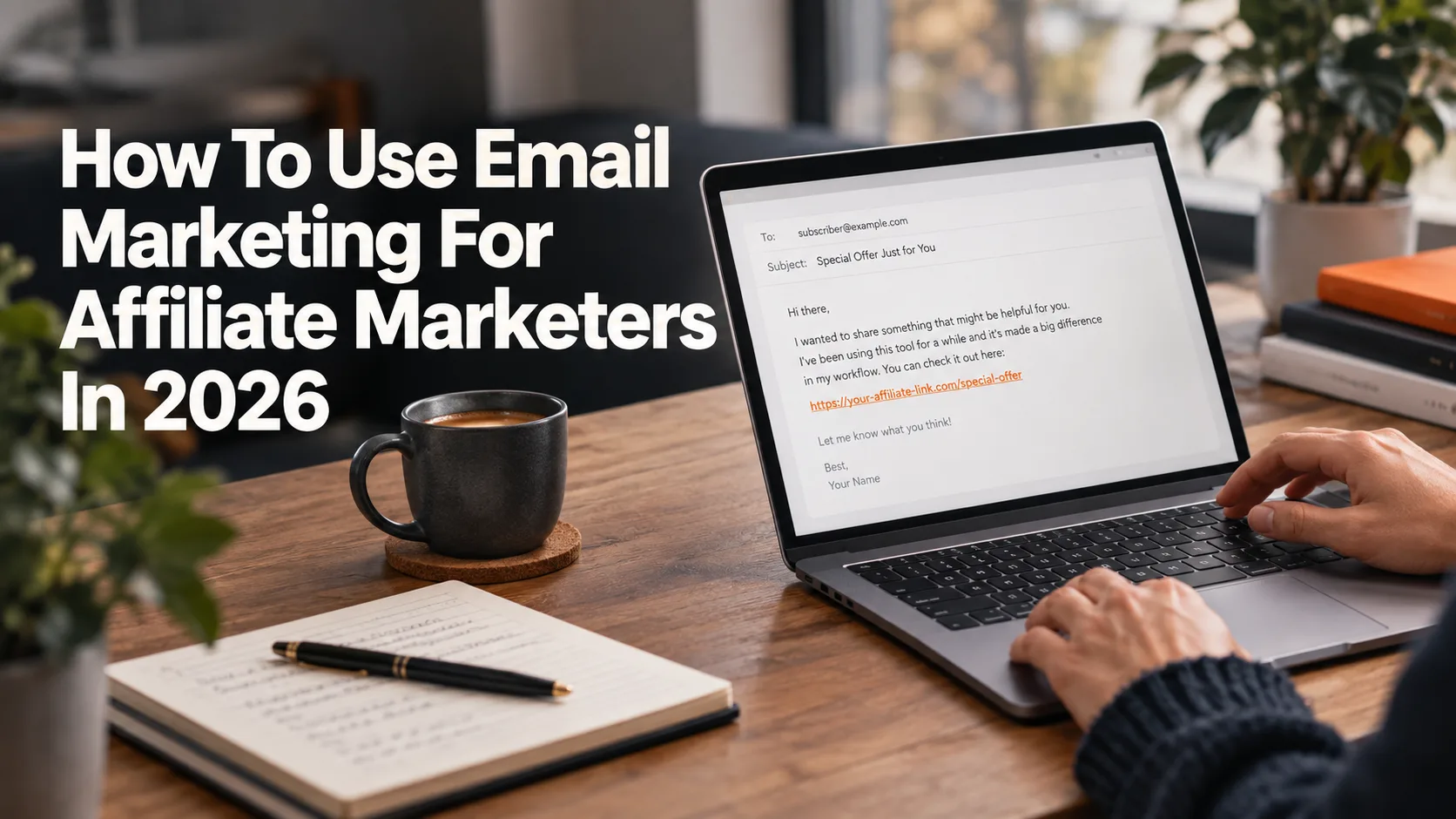
Email is still the highest-ROI channel in affiliate marketing… and most people are barely scratching the surface. According to a Hostinger writeup of the AuthorityHacker survey, affiliates who use email earn 66.4% more than those who don’t. Over at the affiliate marketing home base, the whole point is owning your audience instead of renting it from a feed. This guide walks you through the exact steps to build, nurture, and monetize an affiliate email list in 2026. Skill level: beginner to intermediate. Time to first sequence live: about a weekend.
What You’ll Need Before You Start

Before you touch a single opt-in form, get these five things lined up. Miss one and you’ll be rebuilding in three months.
- An affiliate-friendly email platform
- A lead magnet worth subscribing for
- A niche and a core affiliate offer
- A domain you control (for sender authentication later)
- A small monthly budget… $15 to $50 to start
An Affiliate-Friendly Email Platform
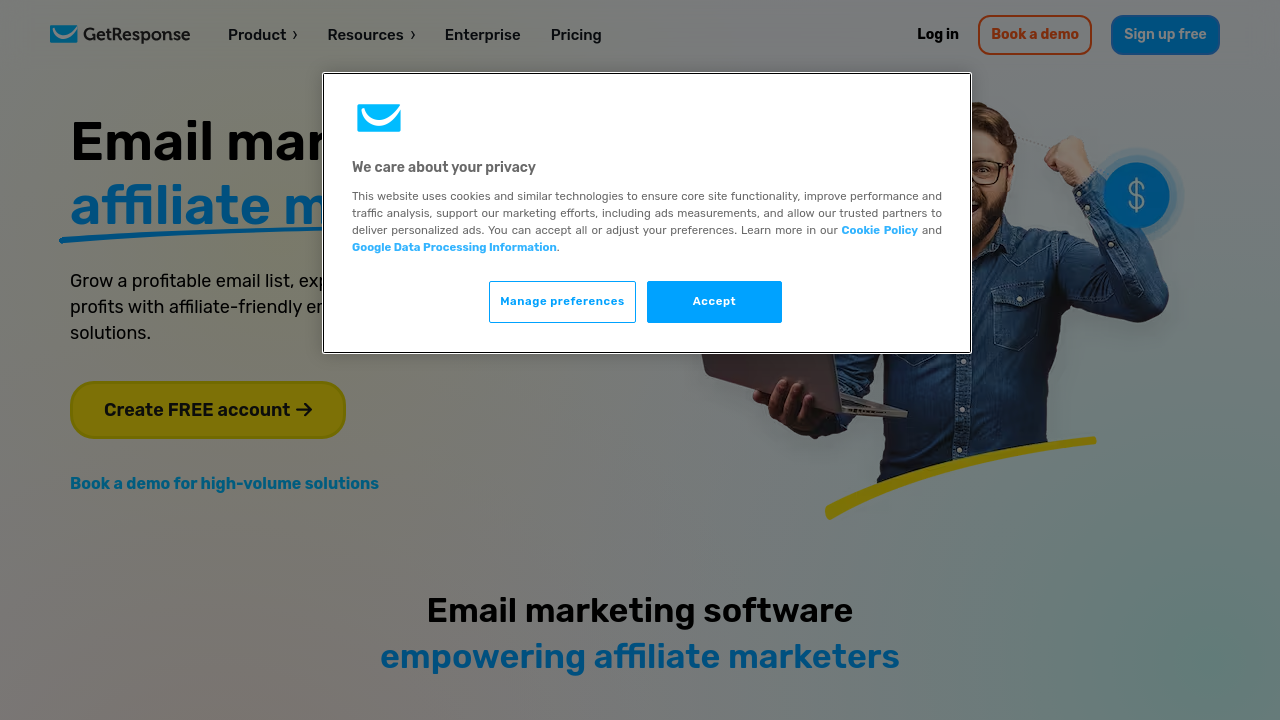
Not every email tool tolerates affiliate links in outbound emails. Read the terms of service before you import a contact. The safe bets most affiliates use are GetResponse, AWeber, and ConvertKit, all built with automation, tagging, and deliverability that hold up as your list grows. If you want a broader look at the ecosystem, the best affiliate marketing platforms for beginners roundup lines up the options next to each other.
A Lead Magnet Worth Subscribing For
A lead magnet is a freebie that solves one specific problem. Not five. One. A checklist, a swipe file, a 10-minute tutorial video. Something a cold visitor grabs in under a minute and gets value from before dinner. That’s the fastest way to turn a stranger into someone who actually wants to hear from you.
A Niche and an Affiliate Offer to Promote
Pick your niche before you build the list. Then pick the one core offer you’ll promote inside the welcome sequence. If you don’t know where to start, niche examples for affiliate marketing is a good sanity check. Most free tiers on the major platforms let you build to 500 or 1,000 contacts before you pay a dime, so the money question is small at first.
Takeaway: platform, lead magnet, niche, offer. Nail those four and step one is basically done.
Before You Start: Decisions That Are Expensive to Reverse

Some choices you can undo in an afternoon. These aren’t those.
Choosing a Platform You Can Actually Grow On
Migrating a big list between platforms is painful. Deliverability tanks for weeks while the new sender reputation rebuilds. Pick a scalable platform on day one. Mailchimp, in particular, has a long history of restricting affiliate link usage and suspending accounts mid-campaign, so it’s a poor fit here even though it’s the name everyone knows. If you’re still weighing tools, the email marketing for affiliate beginners breakdown covers what matters.
Single vs. Double Opt-In: What It Costs You Either Way
Double opt-in produces a smaller, more engaged list. Single opt-in grows faster but invites spam complaints that quietly wreck deliverability. There’s no universally right answer, only the one that matches your traffic quality. For a fuller picture of how the two approaches affect list monetization long-term, the email list monetization guide for affiliate marketers is worth a read.
Two more decisions to make now:
- Domain authentication. Set up SPF, DKIM, and DMARC before you send the first email. Skip this and your inbox placement will crater.
- Content-to-promotion ratio. The classic 80/20 rule (80% value, 20% pitch) shapes your entire tone. Decide it upfront so subscribers know what to expect.
Takeaway: platform choice, opt-in method, and authentication are your three high-use early decisions. Get them right and everything downstream gets easier.
Step-by-Step: Building Your Affiliate Email Funnel
Five to seven hours of focused work, spread over a weekend, and you’ll have a live funnel.
Step 1: Create a Landing Page and Opt-In Form
Build a dedicated landing page for the lead magnet. A one-goal page beats a homepage opt-in every time. Copy stays focused on one specific outcome the visitor gets. Add a single form above the fold, one field (email), one button. Verify the page loads under two seconds on mobile and the form fires a test subscription into your platform.
If funnels are new to you, the affiliate marketing funnel that converts walkthrough shows the full architecture end to end.
Step 2: Write a 5-Email Welcome Sequence
Model the arc that affiliate marketer Gaurav Kalson used to earn just over $1,000 in a week from a small list:
- Day 1: relatable backstory. Who are you, why does this niche matter to you.
- Day 2: the “aha moment”. The insight that changed how you approach the problem.
- Day 3: product proof. Show, don’t sell. Screenshot, result, receipt.
- Day 4: FAQ and objections. Handle the three questions people always ask.
- Day 5: strong CTA with a bonus. Time-boxed, specific, one link.
Verify each email renders correctly in Gmail, Outlook, and on mobile before you schedule it live. Templates and prompts are covered in the affiliate marketing email marketing overview piece if you want a longer swipe.
Step 3: Add Your Affiliate Links Strategically
Contextual links out-click bare URLs every time. Tie each link to a story or a recommendation. Two links per email, max, both pointing at the same offer. If you want a deeper dive on this, how to make your first affiliate commission with email marketing walks through link placement in real sequences.
Step 4: Set Up Automation So It Runs Without You
Behavior-based automation is where the real money hides. Tag any subscriber who clicks the offer link and drop them into a targeted follow-up. According to GetResponse, platforms with 99% deliverability and visual automation builders let you set the sequence once and generate commissions without daily babysitting. Verify: send yourself a test click and watch the tag apply, then confirm the follow-up email fires on schedule.
Takeaway: landing page, five-email arc, contextual links, one automation rule. That’s a complete funnel.
Writing Emails That Actually Get Clicks

Structure is only half the job. Copy is the other half.
Subject Lines That Get Opened
AppSumo built a whole brand on subject lines that make you smile. Their promotional emails, per Tapfiliate’s teardown, use humor and personality to cut delete rates on emails that would otherwise get dumped on sight. You don’t need to be a comedian. You do need to sound like a human, not a press release.
The Storytelling Structure That Sells Without Being Pushy
Story-led emails (personal struggle → turning point → product as the fix) build trust faster than feature lists. Every promotional email should feel like a friend recommending something, not a brand shouting at you. For a longer look at this angle, the email marketing to build authority in affiliate marketing guide breaks down the mechanics.
Calls to Action That Convert
One CTA per email. Always. Multiple links compete for attention and win less than a single, specific ask. Plain-text or lightly formatted emails usually outperform heavily designed HTML in affiliate contexts because they feel personal instead of promotional.
Takeaway: human subject line, story-led body, one CTA. Ship it.
Growing and Segmenting Your List Over Time
Once the funnel runs, the game shifts to feeding the top and cleaning the middle.
Traffic Sources That Feed Your List
Owning your list means an algorithm change on Google or a shadowban on a social platform can’t cut your income off overnight. The channels that reliably feed affiliate lists in 2026:
- Long-form content and SEO (organic traffic generation for affiliate marketing covers this in depth)
- YouTube (long-form) and short-form video
- Paid traffic pointed at a dedicated opt-in landing page
- Guest posts and podcast appearances in your niche
Pick one channel. Get good. Add a second only after the first is producing daily subscribers.
Tagging and Segmenting for Better Commissions
Tag subscribers based on link clicks, purchase behavior, or quiz answers. A tag lets you talk to someone about the specific thing they cared about, which is what pushes segmented campaigns past broadcast blasts on revenue per email. Every 60 to 90 days, run a re-engagement sequence at cold subscribers and prune the ones who don’t respond. It stings to delete emails you worked for, but it protects the deliverability of the ones who do open.
Takeaway: one traffic source at a time, tag on behavior, prune quarterly.
Troubleshooting Your Affiliate Email Campaigns
Five failure modes cover most of what will go wrong.
- Symptom: open rates under 20%. Cause: weak subject lines or a cold list. Fix: A/B test three subject lines on your next send and run a re-engagement sequence before your next promo.
- Symptom: emails landing in spam. Cause: missing SPF/DKIM or too many affiliate links per email. Fix: authenticate the sending domain and cap links at two per message.
- Symptom: high unsubscribe rate after a promo. Cause: audience wasn’t warmed up. Fix: follow the 80/20 rule and drop at least two value emails between promo sends.
- Symptom: clicks but no commissions. Cause: offer-audience mismatch or a weak affiliate sales page. Fix: audit the vendor’s page and test a competing offer in the same niche.
- Symptom: subscribers vanish after email one. Cause: the lead magnet attracted freebie-seekers, not buyers. Fix: rewrite the magnet to solve a buyer’s problem, not a browser’s.
If none of these matches your symptom, work backward from the metric. Bad opens = subject line or list health. Bad clicks = body copy or offer fit. Bad sales = the affiliate’s own page.
Takeaway: most email problems are one of five things. Diagnose the symptom, apply the fix, resend.
FAQ: Frequently Asked Questions
What is affiliate email marketing and how does it work?
Affiliate email marketing is promoting third-party products through your email list and earning a commission on each sale. You build subscribers with a lead magnet, nurture with value emails, then recommend products your audience actually needs.
Which email marketing platforms are best for affiliate marketers?
GetResponse, AWeber, and ConvertKit are the standard picks because their terms of service explicitly allow affiliate links, and they include automation, tagging, and deliverability tools built for the use case. Always double-check current terms before signing up.
How do I build an email list for affiliate marketing from scratch?
Pick a niche, create a single-problem lead magnet, build a dedicated landing page, and drive traffic to it from content, video, or paid ads. The build an email list for affiliate marketing guide walks through each step in detail.
How many emails should be in an affiliate welcome sequence?
Five is the sweet spot for most niches: backstory, aha moment, proof, objections, and CTA. Longer sequences work in higher-ticket niches, but five earns the first commission without exhausting new subscribers.
Can I use Mailchimp for affiliate marketing?
Mailchimp has historically restricted affiliate link usage and suspended accounts for it. Even when it appears to work, you risk losing your list overnight. Use a platform whose terms explicitly welcome affiliate promotions instead.
What is the 80/20 rule in affiliate email marketing?
Send 80% value content (tips, stories, tutorials) and 20% promotional content. This keeps subscribers engaged and reduces spam complaints, so when you do pitch an offer, more people actually read and click.
How do I avoid my affiliate emails going to spam?
Authenticate your sending domain with SPF, DKIM, and DMARC. Keep affiliate links to one or two per email. Prune cold subscribers every 60 to 90 days. Avoid spam-trigger words in subject lines.
How long does it take to make money with affiliate email marketing?
With a live funnel and steady traffic, first commissions usually land within 30 to 90 days. Scaling to a consistent monthly income typically takes six to twelve months of list-building and testing.
Ready to Turn Your List Into Commissions
Email is the one asset the algorithms can’t take from you. Build the list, nurture it with real value, and pitch offers you’d recommend to a friend. That’s the whole model. For more playbooks, deep dives, and honest walkthroughs on what actually works, Jeff Aman’s affiliate marketing resources are the next stop. Now go set up that landing page… your future subscribers are waiting.