Picture this: you’re staring at your bank app, wondering how a “side hustle” is supposed to work when you have zero product to sell and zero clue where to start. I’ve been there. ClickBank affiliate marketing is the low-barrier on-ramp that got a lot of us unstuck… no inventory, no customer service headaches, just a link and a plan. This guide from Jeff Aman walks a first-timer through account setup, offer picking, traffic, and the boring-but-critical tracking bits. Skill level: beginner. Time to first setup: about 10–20 hours.
What You Will Need Before You Start
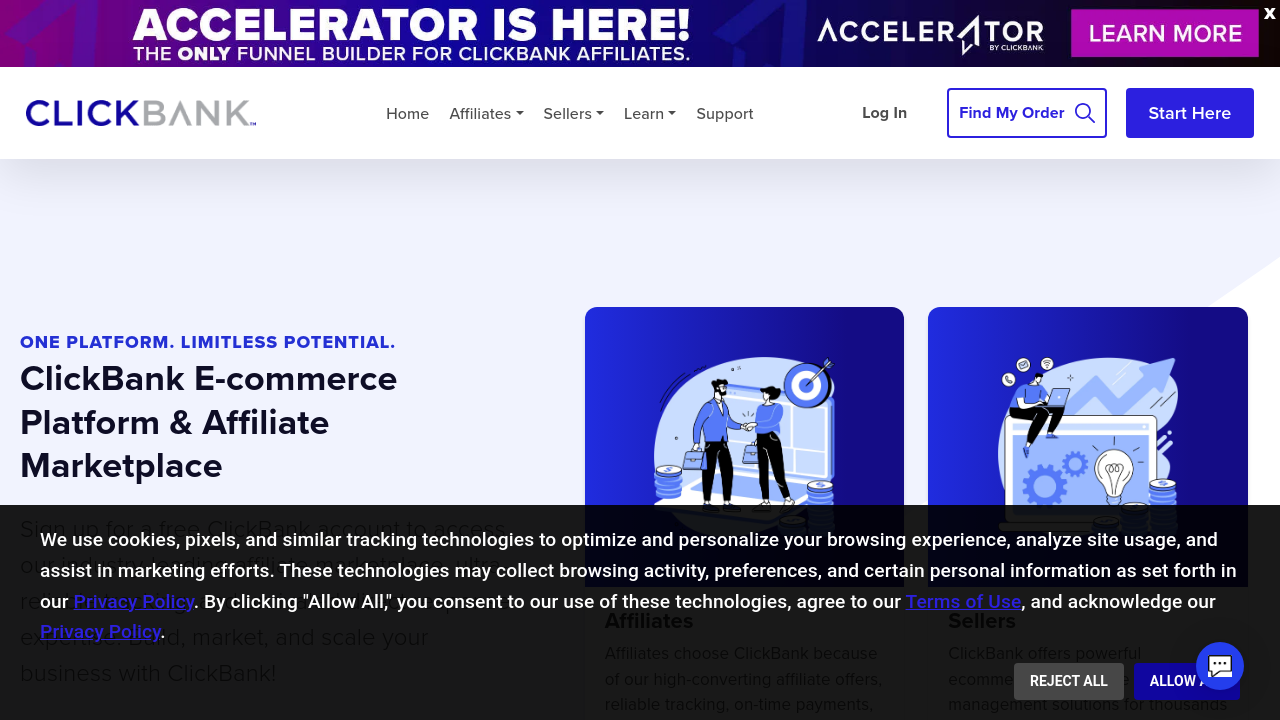
Before you get fancy, you need the plumbing. A ClickBank account, one traffic channel, and a bit of patience. That’s it. Most beginners overthink this part and end up “researching” for six weeks without ever creating a HopLink. Don’t be that person. If you want a broader primer on the business model itself, the affiliate marketing basics hub covers the fundamentals before we dive into ClickBank specifics.
Accounts and Tools
Here’s the minimum viable stack:
- A free ClickBank account (signup is under five minutes with basic personal and payment info).
- One traffic channel you can actually feed: blog, YouTube channel, email list, or social profile.
- An EIN if you’re a US-based affiliate. Per ClickBank’s support docs, having your tax info squared away before payouts saves headaches.
- Optional but soon-to-be-essential: a landing page builder and an email autoresponder for list building once traffic starts flowing.
No paid tools are strictly required to start. You can literally launch with a free platform and a spreadsheet. The pros of a lean start are obvious… you can’t overspend what you don’t have. A little discipline here goes a long way, and it fits the broader ethos of running a real online business instead of buying shiny objects.
Time Budget and Skill Level
Realistic expectation: 10–20 hours to set things up properly, and first commissions typically show up in weeks, not days. Anyone promising “make $500 by Friday” is selling a dream. This is a beginner guide shaped around the truth: show up daily, learn one thing at a time, and the compounding starts.
Takeaway: Get your account, one channel, and your tax info handled before you touch the marketplace.
Before You Start: What to Back Up and What Can Break

Nothing to back up in the traditional sense… but a few things can break your income before it ever begins. Being aware of them now is cheaper than fixing them later. This is where a solid look at digital marketing fundamentals saves you a lot of grief.
- Single-channel risk. If TikTok’s algorithm sneezes and your only channel is TikTok, your income sneezes with it. Diversify early, even if it’s just adding a small email capture on top of your primary channel.
- Incomplete profile info. ClickBank can pause accounts missing tax or banking details. Fill everything out before you generate HopLinks.
- Restricted niches. Weight loss, supplements, financial products… these categories require compliant copy. Promoting them with sloppy claims triggers reviews.
- Save your links. Keep a spreadsheet of HopLinks, tracking IDs, offer names, and vendor refund policies. This becomes your source of truth as you scale, and it’s the foundation for later conversion analysis.
Takeaway: Fill out every profile field, and never post a raw HopLink you didn’t log first.
Step-by-Step: How To Start ClickBank Affiliate Marketing
Here’s the actual work. Seven steps. Follow them in order and resist the urge to skip ahead.
Step 1: Create and Configure Your ClickBank Account
Go to ClickBank.com and click Sign Up. Fill in your name, address, and payment details. Then click Account Settings > Payment Information and complete your tax form. This activates payouts. You should now see a green status indicator on your account dashboard. If you want a broader shopping list of beginner affiliate tools, bookmark that hub for later.
Step 2: Choose a Profitable Niche
Pick a niche you can talk about for six months without getting bored. Health, wealth, and relationships are the historical winners on ClickBank, but sub-niches matter more than the parent category. Solid niche selection balances passion, buyer intent, and offer availability. If nobody’s paying to solve the problem, walk away.
Step 3: Find and Evaluate Offers in the Marketplace
Open the ClickBank Marketplace and filter by category, language, and stats like initial $/conversion and average rebill total. According to ClickBank’s own beginner guide, Gravity scores in the 20–100 range are usually the sweet spot for beginners; above 100 you’re fighting bigger affiliates for the same clicks. Your evolving content strategy should match the offer, not the other way around.
Step 4: Generate Your HopLink
On the offer listing, click Promote. Enter your ClickBank nickname and an optional tracking ID (use it, always). Click Create HopLink. Copy the URL. That’s your affiliate link. Every sale generated through it credits your account. Log it in your spreadsheet next to the vendor name and commission rate, then think about the sales funnels you’ll build around it.
Step 5: Build Your Traffic Platform
Pick ONE primary channel first. A blog for SEO, a YouTube channel for search + evergreen views, or an Instagram/TikTok profile for social. Solid SEO basics can pull free traffic for years, but the trade-off is time. Paid channels move faster… they just cost money you don’t have yet.
Step 6: Drive Traffic to Your Affiliate Offer
Never send cold traffic directly to a vendor’s sales page. Route it through a pre-sell bridge page using the AIDA framework (Attention, Interest, Desire, Action). Even better: capture an email first, then send. That’s how you turn one visit into repeat commissions. This is where email list building stops being optional and starts being the whole game.
Step 7: Track, Test, and Optimize
Inside your ClickBank dashboard, watch EPC (earnings per click), refund rate, and net earnings. Test one variable at a time: headline, image, CTA. Kill losers fast. Double down on winners. Ongoing conversion optimization is what separates $50 months from $5,000 months.
Takeaway: One niche, one offer, one channel, one bridge page. Master that loop before adding anything.
Troubleshooting Common Beginner Problems
Stuff breaks. Here’s the short list of what usually goes wrong and how to fix it. Most of these come back to fundamentals of lead generation and honest copy.
- Symptom: No sales after significant traffic. Cause: Offer-audience mismatch or weak pre-sell copy. Fix: Review the vendor’s sales page, check Gravity trends, and test an alternative offer in the same niche.
- Symptom: High refund or chargeback rate. Cause: Misleading ad copy or a genuinely low-quality offer. Fix: Align your claims with the vendor’s page and check their refund policy before you promote.
- Symptom: Account not approved for payment. Cause: Incomplete tax or banking info. Fix: Complete every field under Account Settings > Payment Information, including the tax form.
- Symptom: HopLink not tracking. Cause: Wrong link format or cookie blocking. Fix: Regenerate the HopLink from the Marketplace listing and test it in an incognito window.
- Symptom: Traffic channel banned. Cause: Platform policy violation, usually posting a raw HopLink. Fix: Route traffic through a landing page or bridge page. Never post raw HopLinks on social platforms.
Takeaway: Nine out of ten “ClickBank doesn’t work” complaints trace back to one of these five issues. Fix the plumbing, not the platform.
How To Scale Beyond Your First Commission
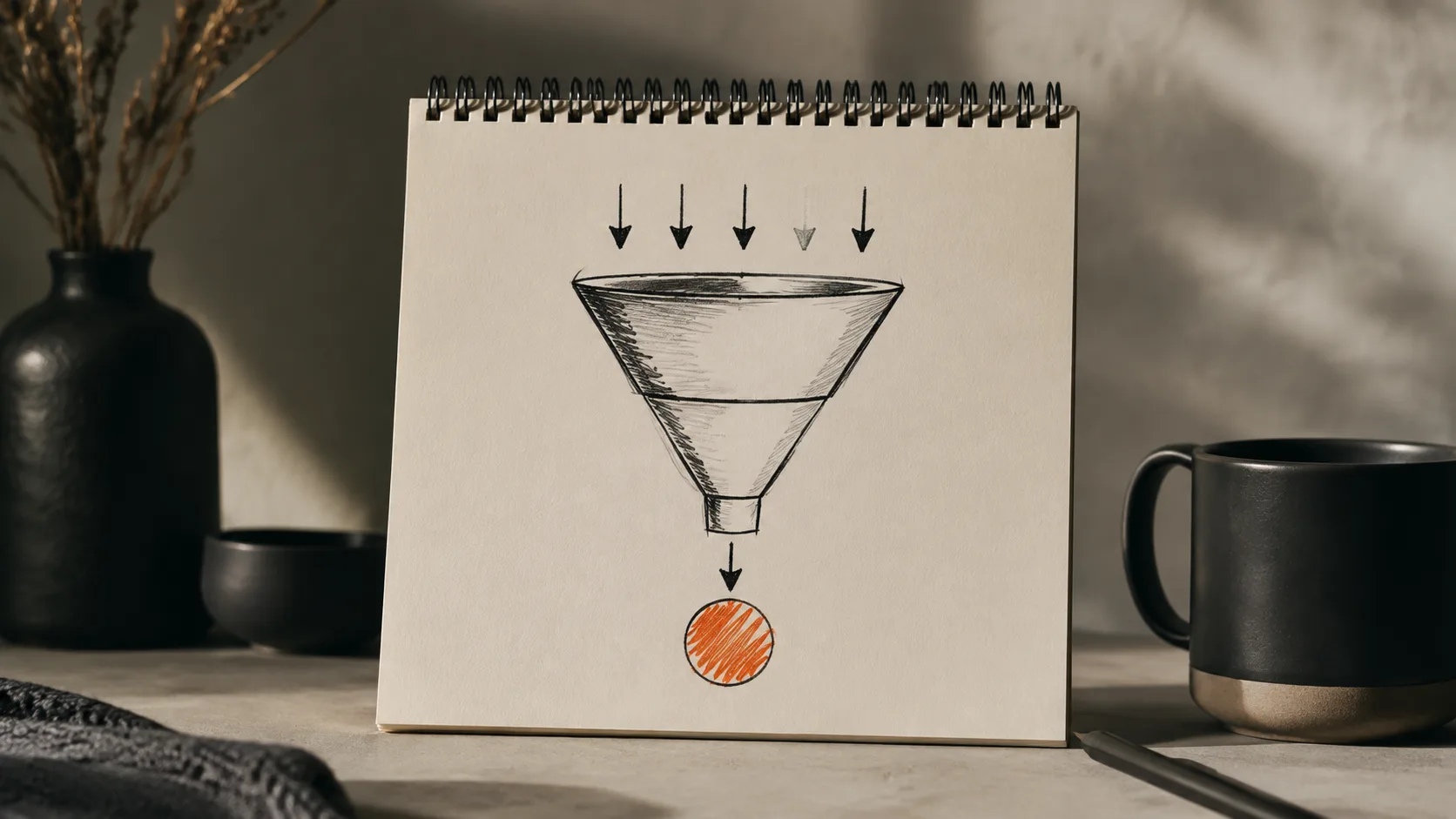
First sale in? Nice. Now the game changes from “does this work?” to “how big can this go?” Scaling looks different from launching, and this is where a real sales funnel starts earning its keep.
Layering in Email Marketing
If you skipped email capture at launch, add it now. An email list lets you promote multiple offers to the same audience for months or years… revenue per visitor climbs dramatically once you have a follow-up sequence in place. For a walkthrough of the beginner version, check how to make your first affiliate commission with email marketing.
Then keep building trust. Broadcasts, story-based sequences, occasional plain-text emails… the goal is authority, not spam. There’s a full breakdown of using email marketing to build authority in affiliate marketing that pairs nicely with this guide.
Expanding to New Offers and Niches
Once a traffic-offer combo is profitable, reinvest a slice of commissions into paid traffic. Diversify across two or three ClickBank offers in the same niche so you’re not exposed if one gets discontinued. Use tracking ID segmentation in the dashboard to compare traffic sources and landing page variants… it’s how you spot passive income leaks before they cost you a month of profit.
For structured learning, ClickBank’s official education platform (Spark by ClickBank) offers guided courses on funnels, traffic, and scaling. Worth the time if you like curriculum-style progression.
Takeaway: Email + diversification + segmented tracking is the trifecta that turns beginners into pros.
Frequently Asked Questions
Is ClickBank free to join as an affiliate?
Yes. Creating a ClickBank affiliate account is completely free. You only pay a small fee when you cash out your first payment, and there are no monthly platform fees or hidden subscription costs to worry about.
How much commission can you earn on ClickBank?
Commissions vary by vendor, typically ranging from around 30% to 75% of the sale price. Some subscription offers also pay recurring commissions on rebills, meaning one sale can generate income for months.
How do beginners find good products to promote on ClickBank?
Filter the Marketplace by category, then sort by Gravity. Look for offers between 20 and 100 Gravity with a clear sales page, reasonable refund rate, and a commission structure you can actually build a funnel around.
How does a ClickBank HopLink work?
A HopLink is your unique affiliate URL. When someone clicks it and buys within the cookie window, ClickBank credits the sale to your nickname automatically. Tracking IDs let you attribute performance to specific campaigns.
How long does it take to make your first sale on ClickBank?
Realistically, weeks not days. Most beginners see their first commission within four to eight weeks of consistent traffic-building. Anyone who tells you overnight results is either selling a course or lying to themselves.
Do you need a website to do ClickBank affiliate marketing?
No, but it helps. You can promote through YouTube, social media, or email alone. That said, a simple blog or landing page dramatically improves conversions and gives you an owned asset that platforms can’t take away.
What is a good ClickBank Gravity Score for beginners?
Aim for 20 to 100. That range signals an offer with recent sales activity but manageable competition. Anything under 20 may be untested; anything over 100 usually means seasoned affiliates dominate the top ad placements.
How and when does ClickBank pay affiliates?
ClickBank pays weekly, biweekly, or monthly via direct deposit, check, or wire. Once you meet the payout threshold and clear the customer distribution requirement, payments go out on schedule with no surprises.
Wrapping Up
ClickBank affiliate marketing isn’t complicated… it’s just unforgiving of shortcuts. Pick a niche, pick one offer, build one traffic source, and route it through a bridge page with email capture. Do that boring loop until the first commission hits, then scale. If you want more walkthroughs on the same journey, the Jeff Aman blog has plenty of practical breakdowns for beginners. Now close the tab and go create your account.