
Yes, you can promote offers from multiple companies at once, since joining several affiliate programs is generally permitted. Just avoid pushing competing tools to the same audience, and send every lead into one list you own. That second part is where most people trip… they collect links like baseball cards and never build the thing that pays. Here at Jeff Aman, list building is a big focus.
Can You Promote Multiple Companies as an Affiliate? Definition
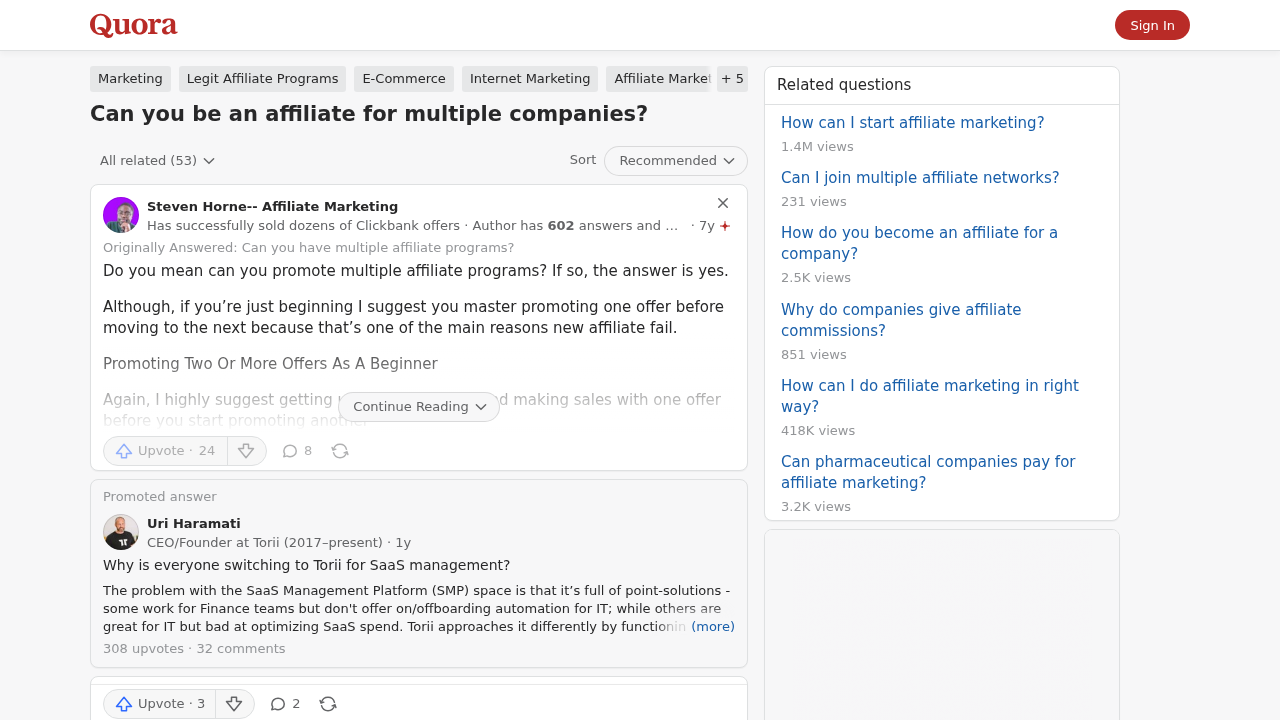
Affiliate marketing for multiple companies means holding active affiliate accounts with more than one merchant or network at the same time, and earning commissions from each. According to answers on Quora, it is generally permissible to join multiple affiliate programs and promote products from various companies. Joining more than one program is common practice, and commissions from different sources simply add up over time.
In plain language: you can be an affiliate for as many companies as you can serve well.
One caution. “Generally” is not “always.” Some programs have their own terms about exclusivity, account rules or how you promote. Read each agreement before you join, not after your account gets flagged.
Takeaway: sign up for more than one program if it fits your audience, but skim the terms page first. Five minutes now beats a frozen commission later.
How It Works: One List, Several Offers

Here’s the structure that turns a pile of affiliate links into an actual business:
- Pick a small set of offers that serve the same audience without stepping on each other.
- Build one opt-in page that collects email addresses.
- Connect one autoresponder so every lead lands in a list you control.
- Tag leads by interest so each person hears about the offers that fit them.
That’s it. One list, several companies. The list is the hub; the programs are spokes.
A worked example: one lead, many programs
The Easy Commission Funnel (ECF) shows this structure in action. ECF is a free, prebuilt affiliate marketing system: you register, get a unique link, and send people to it.
And here’s the part that matters most. New ECF leads go into the user’s own autoresponder, so they build an independent list. The funnel handles the offers. You keep the relationship.
For example, if someone joins through your link, a single lead can trigger commissions across multiple programs.
Keeping offers organized
As the list grows, sorting gets important. Learn how to segment your email list so a subscriber interested in one topic doesn’t get buried in pitches for another. A short follow-up sequence plus occasional broadcasts usually beats blasting everything to everyone. For the bigger picture on turning subscribers into income, see this guide on email list monetization.
Takeaway: don’t build a separate setup for each company. Build one list, then route offers through it.
Why It Matters: Three Real Use Cases
Testing which offers earn
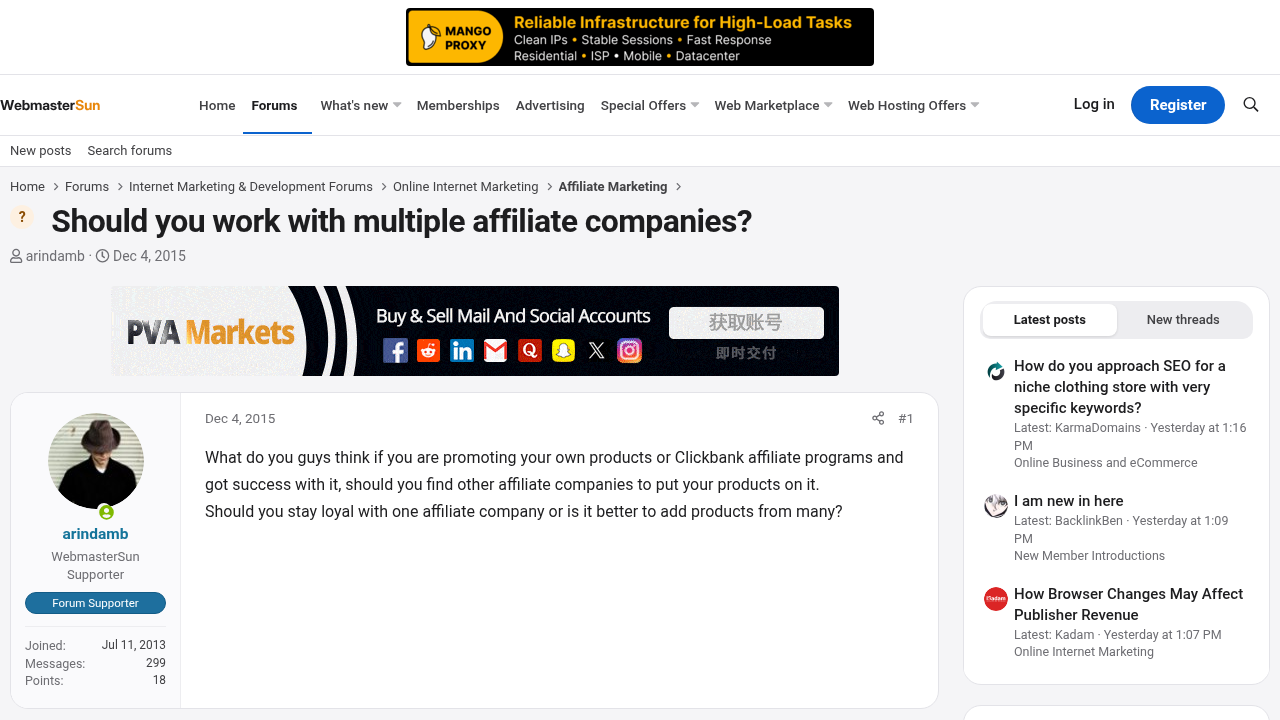
On a WebmasterSun forum thread, one member argued that testing other companies should be part of the affiliate business, since you might be losing income by assuming your current program is the best. Try others; if they don’t perform better, stay with what works. With one list, testing a new offer is just another email.
Not depending on one program
The same thread raises a scary point: a company may shut down its affiliate program at any time. If all your eggs sit in one basket… well, you know how that ends. Several programs feeding one list means one closure stings instead of sinks you.
He also left his full-time job within about a year of focusing on daily list building. Those are his stated results, not a promise, but they show where the list-first approach points. A daily routine for affiliate marketing helps keep that list-building habit consistent.
Serving more than one niche
Plenty of beginners ask whether one site can cover several niches; a Reddit user in r/Affiliatemarketing asked exactly that. It can work, but each niche needs its own tag or segment so the offers stay relevant. If you go the content route, this blog setup guide for affiliate marketing covers the basics.
Takeaway: multiple companies give you testing room and a safety net. Start using both.
Common Misconceptions
Misconception: You need a separate website for every company
Reality: one list can serve them. A single opt-in and autoresponder can carry offers from several programs. Separate sites mostly multiply your workload.
Misconception: More programs always means more money
Reality: a WebmasterSun forum member put it bluntly: don’t promote more than two tools doing the same job to the same audience. You confuse them, and they stop trusting you. Pick complementary offers, not rivals.
Misconception: Affiliate programs forbid joining others
Reality: joining multiple programs is generally permitted. Still, read each program’s terms, because individual rules vary. This guide on where to find affiliate links to promote explains networks versus company programs and how to apply.
Misconception: You need to show your face
Reality: faceless works. Email, funnels and prebuilt pages do the talking. Read more on affiliate marketing without showing your face.
Takeaway: fewer, better-matched offers on one list beat a cluttered link collection every time.
Related Concepts
Affiliate network
A marketplace that hosts many merchants’ affiliate programs under one account. Joining a network is one way to access several companies at once.
Autoresponder
Software that stores your subscribers and sends emails automatically. With ECF, SendShark handles broadcast emails while LeadsLeap handles lead management.
Funnel
The path a visitor follows from first click to opt-in to offer. Here’s how to build an affiliate marketing funnel that converts.
Lead capture page
A simple page whose only job is getting an email address. ECF includes a prebuilt page, expert video content and automated follow-ups from day one.
Broadcast email
A one-time message sent to your whole list or a segment, often used to introduce a new offer. Good email subject lines for affiliates decide whether it gets opened.
Takeaway: learn these five terms and the multi-company setup stops feeling complicated.
How to Get Started Today

- Choose one niche. Pick the audience first, then the offers that serve it.
- Register free for ECF. Registration for the Easy Commission Funnel is free, and ECF gives a free paid-traffic bonus at sign-up.
- Set up your autoresponder. Connect it so every lead lands in your own list from the start.
- Get the traffic training. Jeff Aman offers a free training on his favorite autopilot traffic sources, sent by email after opt-in.
Need a wider view of growing a list? See how to build an email list for affiliate marketing.
Takeaway: do step one today. Picking a niche costs nothing but a decision.
FAQ: Frequently Asked Questions
Do affiliates really make money?
Some do, many don’t. Results depend on traffic, offer fit and consistency. Affiliates who build a list they own tend to have more chances to earn, because they can follow up instead of relying on one click.
Can I have two Amazon affiliate accounts?
Check Amazon’s current Associates operating agreement before trying. Account rules for that program are specific and can change, so read the official terms rather than relying on forum answers or secondhand advice.
What is the 80/20 rule in affiliate marketing?
It’s the idea that roughly most of your results come from a small share of your efforts or offers. Practically, it means finding your few best-performing offers and traffic sources, then putting more time there.
Can I do faceless affiliate marketing?
Yes. Many affiliates never appear on camera. Email marketing, prebuilt funnels and lead capture pages let you promote offers and build a list without filming yourself or building a personal video brand.
Do I need a separate list for each company?
No. One list with tags or segments can handle offers from several companies. With ECF, leads go into your own autoresponder, so a single list carries multiple programs without extra setup.
Should I promote competing products?
Generally, avoid it. Pushing two tools that do the same job to the same audience tends to confuse readers and weaken trust. Choose complementary offers, or send competing ones to different segments.
Conclusion
So, can you do affiliate marketing for multiple companies? Absolutely. The winners just do it with structure: one niche, one list, a handful of complementary offers, and steady follow-up. Skip the link hoarding. Build the hub first. The Easy Commission Funnel, founded by Jeff Aman, bundles several programs into one free funnel, which is a quick way to see the model working. If you’re brand new, start with this simple beginner’s plan… then pick your niche today.