Here’s the short version: pick a niche, get a Pinterest Business account, join an affiliate program, create Pins that point to a landing page or product page, and capture visitors on an email list so clicks keep earning after the Pin fades. That last part is where most beginners drop the ball… and where Jeff Aman built a free funnel to help.
What You’ll Need

- A Pinterest Business account. Free, and it gives you the tools a personal account doesn’t.
- A niche. One topic people plan purchases around.
- An affiliate program or network account. This is where your commission links come from.
- Pin images. A free design tool like Canva works fine.
- A free Easy Commission Funnel (ECF) registration. ECF is a prebuilt affiliate system: you register, get a unique link, and send people to it. Registration is free.
- A little time each day. Consistency beats bursts.
No budget? Good news. You can start affiliate marketing with no money using exactly this stack. Takeaway: gather these six things before you design a single Pin.
Before You Start
Decide two things now, because they’re annoying to change later: your niche and where your Pins send traffic. A product page? A landing page? Pick on purpose.
Next, know who pays you. Pinterest isn’t part of the affiliate agreements, so you need your own network, according to Pinterest’s guide to affiliate links. Read your program’s terms on where links may appear, and plan your affiliate disclosure before you pin anything. Takeaway: ten minutes reading terms beats a closed account.
Step-by-Step: Affiliate Marketing on Pinterest
1. Set up a Pinterest Business account
Create a new Business account or convert your personal one. Printify’s beginner guide also recommends claiming your website and enabling rich Pins if you have a site.
Check: you can see analytics and the business tools in your dashboard.
2. Choose a niche people plan purchases around
Think kitchen gear, home office setups, gardening, budget travel. People save Pins for future buys in topics like these. If you can’t name five products in the niche you’d happily recommend, keep looking.
Check: write down your niche, five products, and ten search phrases people would type.
3. Join an affiliate program or network
Pinterest names Rakuten, LTK, ShopStyle and Amazon Associates US as its official partners. Apply, get approved, and generate a unique product link. Your commission depends on the terms set by the merchant or program, not Pinterest.
Not sure which network fits? See our roundup of the best affiliate marketing platforms for beginners.
Check: you have at least one working affiliate link that opens the right product.
4. Build a landing page that captures emails
This is the step the other guides skip. Pin traffic is like a passing parade… great while it’s in front of you, gone when it turns the corner. Sending clicks straight to a product means one shot at a sale. Sending them to a page that grabs an email gives you a hundred shots.
The Easy Commission Funnel handles this without you building anything:
- Free registration. No cost to join.
- A unique link. You get your own link to put on Pins.
- A prebuilt page. The landing page already exists, with expert video content.
- Automated follow-ups. Emails go out from day one, so you’re not writing a sequence at midnight.
- Your own list. New leads go into your autoresponder, so the list stays independent. ECF integrates LeadsLeap for lead management and SendShark for broadcast emails.
That last point matters most. A list you own is an asset. A Pin is a lottery ticket. For the bigger picture, read how to build an email list for affiliate marketing, and see how the pieces fit in an affiliate marketing funnel that converts.
Check: opt in through your own link with a test email and confirm the lead lands in your autoresponder.
5. Create Pins with keyword-rich titles and descriptions
Use a vertical image that looks like what people see after the click. Pinterest’s guide says titles and descriptions should match the destination page and include essential keywords. Use the search phrases from Step 2.
Stuck for visuals? Here’s how to use AI for affiliate marketing to speed up drafts.
Check: read the Pin cold. Could a stranger guess what’s on the other side?
6. Add your link and disclose it
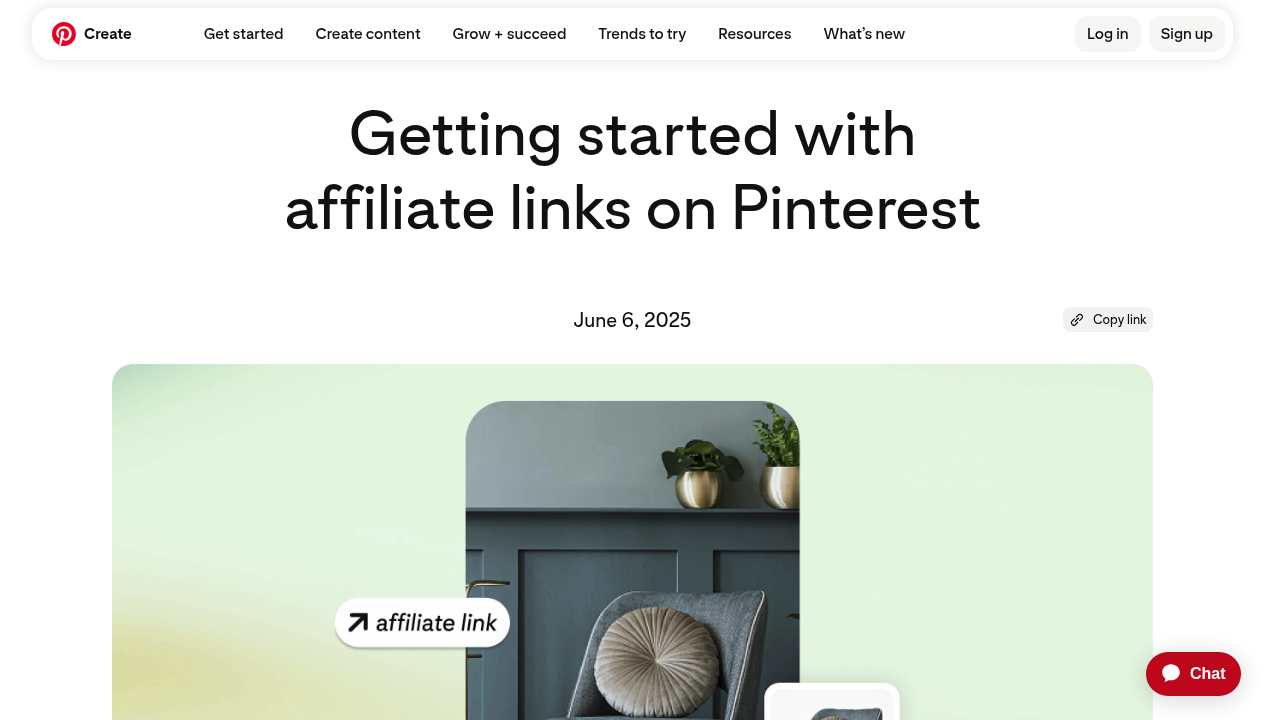
There are two ways to add affiliate links: product tagging or the destination link in the Pin details. Pinterest says direct affiliate links should go to a shop’s product detail page, so use your ECF link for list-building Pins and your affiliate link for product Pins. Some link shorteners aren’t supported, so paste full URLs. Then disclose. Pinterest points to its own rules, your program’s rules, and the FTC’s.
Check: the link opens correctly from the published Pin, and the description says it’s an affiliate or promotional link.
7. Track clicks and follow up by email
Watch outbound clicks in Pinterest analytics, purchases in your affiliate dashboard, and signups in your autoresponder. Double down on Pins that pull clicks. Then talk to your list. That’s where affiliate email marketing turns leads into commissions.
Check: once a week, list your top three Pins by clicks and your new subscribers.
Takeaway: Pin, land, capture, follow up. Skip the capture and you’re renting traffic you’ll never see again.
Why Pinterest Can Work for Affiliates

Pinterest users show up to plan. ReferralCandy cites Pinterest’s own figures that 75% of weekly users are always shopping, and another report found 50% of users view the platform as a shopping site. That’s buying intent you rarely get on a scroll-and-laugh app.
So is it a good way to do affiliate marketing? It can be, if you go niche first and give people a reason to click. Earnings vary wildly, and Pin views alone don’t tell you sales.
Here’s the founder’s view. Jeff Aman says he reached #1 on the leaderboard across multiple platforms and generates multiple six figures in affiliate commissions year after year. He credits daily list building, and says he left his full-time job within about a year of focusing on it. His results aren’t typical promises. The point is the method: the list, not the Pin.
Takeaway: use Pinterest for traffic, and use email to keep it. A simple daily routine for affiliate marketing keeps both moving.
Troubleshooting
No clicks
- Symptom: impressions, but nobody taps.
- Cause: weak image or vague title.
- Fix: rewrite the title around a search phrase and test a bolder image.
Clicks but no sales
- Symptom: outbound clicks, zero commissions.
- Cause: one-shot traffic to a product page.
- Fix: route Pins to an email capture page and sell through follow-ups.
Link not accepted or blocked
- Symptom: Pinterest rejects or blocks the link.
- Cause: an unsupported shortener, or direct linking that isn’t supported. Reddit affiliates commonly suggest a landing page as an intermediary.
- Fix: paste the full URL, or send traffic to a landing page first.
Pin and destination don’t match
- Symptom: high bounce, poor results.
- Cause: the Pin promises one thing, the page shows another.
- Fix: match the image, title and offer to the landing page.
No email signups
- Symptom: visitors land, nobody opts in.
- Cause: wrong audience or an off-topic Pin.
- Fix: tighten the niche, confirm the opt-in works, and check that leads reach your autoresponder.
FAQ: Frequently Asked Questions
Is Pinterest a good way to do affiliate marketing?
Yes, for many beginners. Pinterest users often come to plan future purchases, so the traffic has buying intent. It works best when you pick a niche and capture visitors on an email list.
How much do Pinterest affiliates make?
It varies a lot. Earnings depend on your niche, commission rates, traffic volume and follow-up. Track outbound clicks, purchases and recorded commissions to know your own numbers rather than trusting profile views.
Can you make $100 a day with affiliate marketing?
Some affiliates do, many don’t. It depends on traffic, offer, commission size and whether you build a list. Focus on daily list building and steady follow-up rather than chasing a daily number early on.
Which niche is best for affiliate marketing on Pinterest?
Pick a niche where people plan purchases and you have genuine interest: home, kitchen, gardening, travel or hobbies. Shopping intent plus your own curiosity keeps you pinning long enough to see results.
Do you need a website to start?
No. You can link directly to product pages where your program allows it, or use a prebuilt landing page like ECF. A blog helps later, but it isn’t required to begin.
Is ECF free to join?
Yes. Registration for the Easy Commission Funnel is free. You get a unique link to a prebuilt page with automated follow-ups, and your leads go into your own autoresponder.
Conclusion
The recipe is short: Pin, land, capture, follow up. Pinterest brings the traffic. Your email list keeps it from evaporating. If you want the whole business view, read how to start an affiliate marketing business from scratch.
Jeff Aman founded the Easy Commission Funnel to make the capture step simple, and he also shares a free training on his favorite autopilot traffic sources by email after you opt in. Grab your free ECF link, make your first Pin today, and start building a list that’s yours.