
An information product business packages what you already know into a digital product someone else pays to access. No inventory. No shipping. No warehouse in your garage. Just expertise turned into income that scales while you sleep. The jeffaman.com blog has been in this space long enough to know what actually works and what just sounds good on a sales page. Here’s the plain-spoken guide to what this business model really is and how to build one from scratch.
What Is an Information Product Business?

An information product business sells knowledge. Not widgets. Not t-shirts. Just what’s in your head, packaged up and delivered digitally to buyers who need the shortcut you already figured out. Think ebooks, online courses, templates, webinars, reports, paid communities, and membership libraries. If it teaches, guides, or hands over a system… it counts. And that framing matters because it changes everything about how you sell, deliver, and support the thing. For a broader look at how this fits into other online models, the beginner’s guide to earning passive income online lays out the wider landscape.
The core definition
The buyer isn’t paying for a file. They’re paying for an outcome… a shortcut, a framework, a promised transformation. That’s the whole game. A PDF sitting on a Dropbox link is worthless until someone believes it’ll get them from A to B. Which means your positioning, your promise, and your proof carry more weight than your production value. Freelancers and consultants often stumble into this business because they already own the expertise; a good primer on monetizing expertise as a solopreneur walks through the first steps.
Infoproduct vs. digital product: why the distinction matters
Every infoproduct is a digital product. Not every digital product is an infoproduct. A Photoshop preset pack? Digital product. A course teaching you the design system behind those presets? Infoproduct. According to Spiffy’s glossary entry on infoproducts, the business still needs a strong offer, clear checkout, support, and refund rules even though physical logistics vanish. The distinction matters because buyers evaluate them differently. They want to know if the outcome is real. Get positioning right and the rest gets easier, which is why the digital marketing category hub is worth bookmarking.
Types of Information Products (and Which Ones Actually Sell)

Not every format sells the same way. Some are entry points. Some are the main event. And some quietly print recurring revenue in the background. Understanding which is which saves you months of building the wrong thing. If you’re picking a lane, choosing the right niche first matters more than picking the format.
Low-ticket entry products
Under $30 usually. Ebooks, cheat sheets, swipe files, template packs, short PDF guides. Their job isn’t to make you rich… it’s to earn trust and grow your list. Once someone pays you a small amount, they’re way more likely to pay you a bigger one later. Treat these as the front door of the funnel, not the whole house. Pair them with a solid opt-in flow, like the one covered in starting email list building as a complete beginner.
Mid-ticket courses and workshops
The workhorse of the industry. Recorded video courses, paid workshops, cohort programs, structured trainings. Usually $97 to $997. This is where most creators actually make real money because the perceived value is higher and buyers expect a fuller solution. Video works especially well because it builds relationship, and relationship sells the next product. See how this ties into the broader tag hub on online business for related reads.
High-ticket memberships and communities
Recurring revenue is the holy grail here. Empire Flippers documents examples like DropShipLifestyle (course plus community around one specific niche) and FBAMastermind (a monthly subscription forum where advanced Amazon sellers swap advice). The magic? Much of the value is user-created, so you’re not the sole content engine. Many sellers combine formats: video lessons, templates, community access, and monthly live calls in one bundle. If automating the delivery side matters to you, automating your online business from the ground up covers the stack.
How the Info Product Business Model Actually Works

Strip it down and the model is embarrassingly simple. It’s a loop. And once the loop turns, it can turn a lot. Here’s the full mechanic, with no hand-waving.
The traffic and conversion loop
Attract targeted traffic. Convert visitors to buyers on a sales page. Deliver the product. Follow up and sell them the next thing. That’s it. That’s the whole loop. According to Empire Flippers’ breakdown of the info product model, mastering the traffic-to-customer conversion is the critical skill because a great product with no audience generates zero revenue. Getting traffic reliably is a skill of its own; browse the site traffic generation tag for tactics that hold up.
Payment processing and delivery
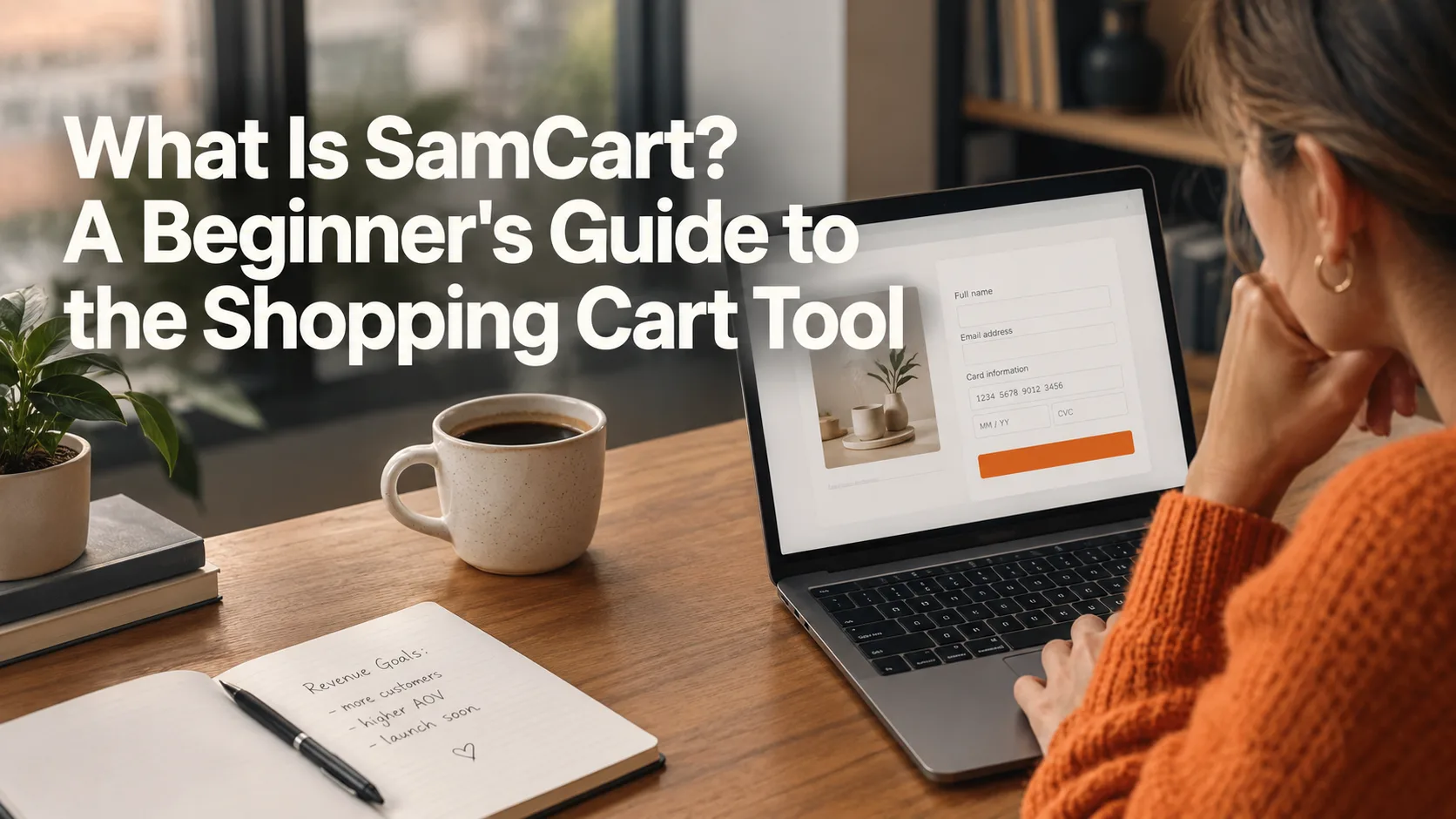
Payment usually runs through Stripe, PayPal, or a shopping cart platform that also handles upsells, payment plans, and affiliate tracking. Delivery is access-based. Buyer clicks a link, gets an account, watches the videos, downloads the PDF. Simple. The purchase experience needs to explain format, access timing, support level, and refund terms in plain language. Vague checkouts kill conversions. For email-driven follow-up flows, see how to make your first affiliate commission with email marketing.
Scaling without adding inventory
Here’s the beautiful part. Each additional sale requires zero new physical units. Margins stay high as volume grows. That’s the primary scaling advantage over physical goods. Affiliates play a big role too, sending traffic in exchange for a commission on each sale. Add a few good affiliates and your traffic problem starts solving itself, especially if you’ve already earned a spot on lists like the best affiliate marketing training programs for beginners.
How to Start an Information Product Business
Enough theory. Here’s the actual sequence to go from zero to launched without lighting money on fire.
Choose a niche and validate demand
Go narrow. Please. “Fitness” isn’t a niche. “Kettlebell workouts for busy dads over 40” is. Info products win when they solve a concrete problem for a defined audience. Validation is easier than people make it: find forums, Reddit threads, Facebook groups, or Discord servers where your audience is already asking the exact questions your product would answer. If they’re begging for the info… make the info. A deeper walkthrough lives in niche examples for affiliate marketing.
Create your first product
It doesn’t need to be a 40-hour course. According to ActiveCampaign’s roundup of info product ideas, formats like cheat sheets, short guides, and template packs can be produced in an afternoon and still deliver real value. Ship something small. Get feedback. Iterate. Perfectionism is the tax you pay to never launch. If you’re worried about the “hard” part being technical, most of it isn’t; see is affiliate marketing hard for beginners for a reality check that applies here too.
Launch and build your list
Your email list is the single most important asset in this business. Start it before the product exists. Build it in parallel. That way, launch day isn’t a cold-traffic scramble… it’s a warm crowd ready to buy. Freelancers especially fit this model because they already own specialized knowledge clients pay for, and packaging it decouples income from hourly time. Get your list machine running with how to use email marketing to build authority in affiliate marketing.
What Makes an Info Product Business Succeed (or Fail)
Most info product failures aren’t product failures. They’re positioning failures. Trust failures. “I have no audience” failures. The technical setup is the easy part.
The hard parts nobody talks about
Spiffy’s glossary is refreshingly honest: the hard parts are trust, positioning, proof, delivery quality, refunds, and customer outcomes. Not the tech stack. Buyers evaluate info products differently from software because they’re buying a promised transformation. If your promise is vague, your conversions crater. Say exactly what happens after they buy and by when. For the automation side of trust-at-scale, how to create a passive income online from scratch has useful framing.
Building trust before the sale
Video is a strong trust builder because it creates a real relationship between creator and buyer. Show your face. Explain your thinking. Answer questions publicly. A clear purchase experience, covering format, access timing, support level, and refund terms, reduces both hesitation and post-purchase disputes. And info product businesses often fail not from bad products but from weak positioning, vague promises, and no defined audience waiting to buy. Fix those three and most everything else works itself out, especially if you also study how a B2B sales funnel works for the mechanics of moving strangers to buyers.
Benefits of Running an Information Product Business
Quick rundown of why this model is worth the effort in the first place:
- Zero fulfillment cost per sale. Once the product exists, the cost of delivering the next copy is basically nothing.
- Price flexibility. No manufacturing markup, no distribution fees, no wholesaler taking a cut.
- Long asset life. One product can sell for years if you keep the content current.
- Low startup cost. Expertise plus a simple website is the whole starter kit.
- Stacks into multiple revenue streams. A $17 ebook can feed a $297 course, which feeds a $2,000 mastermind.
That last point is the real prize. You don’t just build a product. You build a ladder. Each rung raises the average customer value, and the top rung often outpaces everything else combined. For a full walkthrough of building income streams that compound, see how to make a passive income online as a beginner.
FAQ: Frequently Asked Questions
What is an information product business?
An information product business sells knowledge-based digital goods, like ebooks, courses, templates, or memberships. The buyer pays for expertise or a promised outcome, and delivery happens digitally without inventory, shipping, or physical fulfillment costs.
What are examples of information products?
Common examples include online courses, ebooks, PDF guides, cheat sheets, swipe files, templates, paid workshops, cohort programs, membership libraries, paid newsletters, recorded webinars, and community-based subscriptions where members share advice inside a private forum.
How much money can you make selling information products?
Earnings range wildly. Some creators make a few hundred dollars a month from a single ebook; others run seven-figure course businesses. Success depends more on audience size, positioning, and offer strength than on the product format itself.
Do I need special skills or credentials to sell information products?
No formal credentials required. You need genuine expertise or lived experience the buyer wants to shortcut. Freelancers, consultants, and hobbyists all sell info products successfully when their knowledge solves a concrete problem for a specific audience.
What is the difference between an infoproduct and a digital product?
Every infoproduct is a digital product, but not every digital product is an infoproduct. Infoproducts specifically sell knowledge or education. Software, presets, and license keys are digital products but only qualify as infoproducts if they teach a method.
How do I deliver an information product to customers?
Delivery is access-based. Buyers get login credentials to a course platform, membership site, or download link after purchase. Payment processors like Stripe or PayPal, plus a shopping cart tool, automate the handoff without any manual work.
What is the best platform to sell information products?
The best platform depends on format. Course creators often use dedicated learning platforms; ebook sellers use simple checkouts with digital delivery; membership operators use community platforms. Start with the simplest tool that handles checkout, delivery, and email capture.
How do I get traffic to an information product business?
Common traffic sources include SEO content, YouTube, paid ads, affiliate partnerships, email newsletters, podcast appearances, and social media. Most successful sellers combine two or three channels rather than relying on any single traffic source that could dry up overnight.
Conclusion
An information product business is one of the cleanest ways to turn expertise into income. No inventory. Low startup cost. Margins that stay healthy as you scale. But it lives or dies on positioning, trust, and having an audience that already wants what you’re selling. Start narrow. Build the list before the product. Ship something small, then improve it. If you want more grounded, plain-spoken guidance on building this kind of business, Jeff Aman’s blog is a good place to keep reading. Now go make the thing.