
Here’s the uncomfortable truth I learned my first year in affiliate marketing: the product doesn’t matter, the offer doesn’t matter, the pretty website definitely doesn’t matter… if nobody is showing up. Traffic generation is the practice of attracting targeted visitors to a page, and for affiliates it’s the whole ballgame. No visitors, no clicks. No clicks, no commissions. Over at jeffaman.com, I cover the full spectrum of traffic strategies affiliates use to build a sustainable income, and this guide is the plain-English starting point.
Definition: What Traffic Generation Actually Means
Traffic generation, in a digital marketing context, is any deliberate action you take to bring visitors to a web property. That includes organic search, paid ads, social posts, email blasts, YouTube videos, referral partnerships… anything that ends with a human clicking through to your page. It’s the “attract” step in every marketing funnel, and for affiliate marketers building income from scratch, it’s the difference between a hobby site and a paycheck.
The core concept in plain English
Traffic is measured in sessions or unique visitors per month. But volume is only half the picture. Quality, meaning visitor intent, matters just as much. A thousand random visitors who found your review post because they wanted a meme will convert worse than fifty visitors who typed “best budget standing desk under $300” into Google. Intent is everything, and it’s the reason choosing the right niche shapes every traffic decision downstream.
Digital traffic vs. network traffic: clearing up the confusion
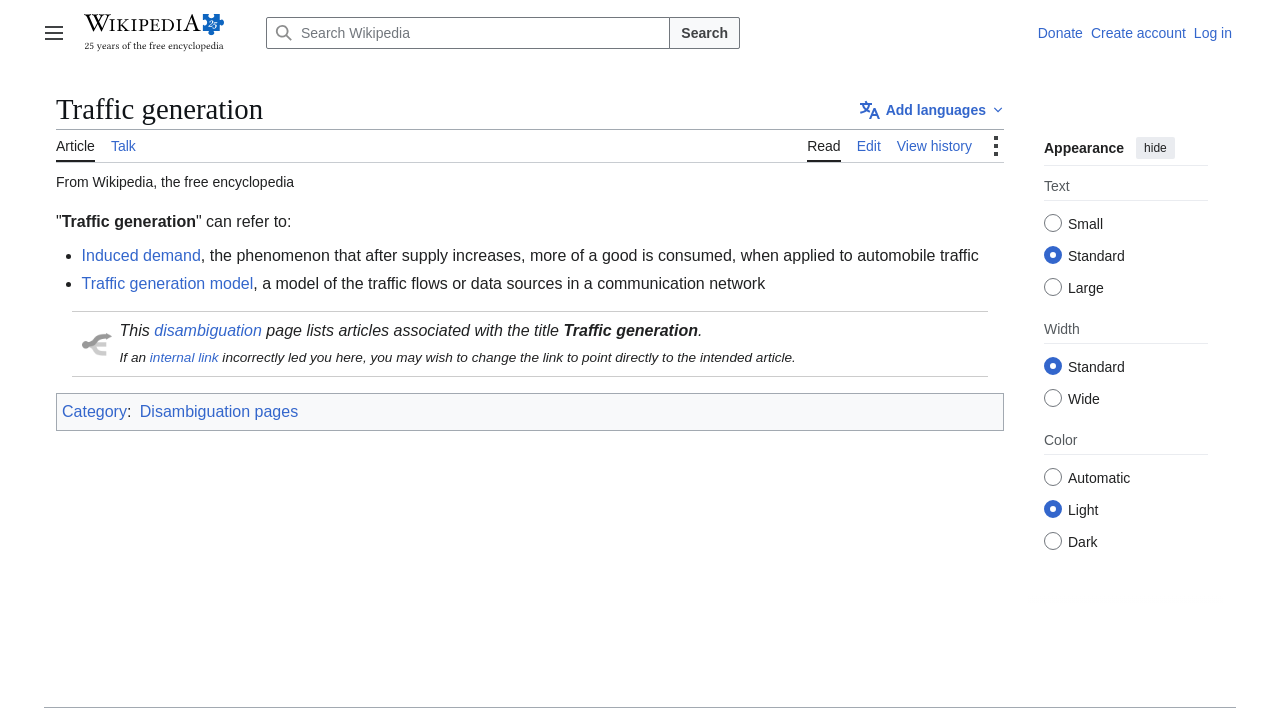
Quick housekeeping. If you Google “traffic generation,” you’ll hit a Wikipedia disambiguation page that mentions traffic generation models in telecommunications, essentially IT tools simulating data flow through networks. That is not what affiliates mean. We’re talking about the marketing definition: real humans visiting real web pages. If you ever want a deeper reading list on the marketing side of traffic, the tag archive is a good rabbit hole.
Takeaway: Traffic generation for affiliates = attracting intent-matched humans, not simulating packets.
Why Traffic Generation Matters for Affiliates

Affiliate revenue is directly proportional to traffic volume and traffic quality. That’s not a marketing slogan, it’s just arithmetic. If your review page converts at 2% and pays $40 per sale, a thousand visitors is $800 and ten thousand is $8,000. Everything else, the copywriting, the offer selection, the passive income systems you stack on top, only works if traffic is arriving.
Traffic as the first step in the affiliate funnel
The affiliate funnel goes attract → capture → engage → convert. Traffic is the entry point for every single stage. Skip it, and there’s nothing to capture. And if you’ve ever wondered why serious affiliates obsess over the underlying funnel structure, it’s because volume without a funnel is a leaky bucket.
Targeted traffic vs. raw volume
Broad reach campaigns feel exciting. Big view counts, big impressions. But targeted traffic, visitors who already have intent tied to your offer, converts at dramatically higher rates. I’d rather have 200 buyers-in-training than 20,000 tire kickers. The LinkedIn breakdown of traffic sources makes the same point: it’s the quality of the visit that turns into revenue, not the raw session count.
Why organic and paid traffic serve different goals
Organic traffic compounds. It costs time upfront and pennies later. Paid traffic is a faucet, on when you spend, off when you stop. A healthy affiliate business usually pairs both, and eventually leans into automating the day-to-day so the organic side keeps producing while the paid side is optimized.
Takeaway: Traffic is the funnel entry point, and targeted traffic is what actually pays.
The Main Traffic Sources Affiliates Use

There are five source categories most affiliates work with, and each has a different cost, timeline, and conversion profile. You don’t need all five on day one. You need one that fits your skills and the discipline to work it.
Search engine optimization (SEO) and organic traffic
SEO means optimizing for high-intent keywords, publishing content that answers real questions, and earning backlinks from sites Google trusts. It’s slow, then it’s a machine. For most affiliates, organic search is the highest-margin channel long-term, and it pairs beautifully with tag hubs that group related traffic content.
Paid advertising channels
Google Ads, Facebook Ads, native ads, YouTube pre-roll. Fast traffic, ongoing spend. The rule is simple: your commission per conversion has to exceed your total cost per click times the number of clicks needed to convert. Miss that math and you’re subsidizing merchants with your credit card. Beginners often start here and lose their shirts… which is why I usually recommend free-first training paths before touching paid.
Social media and content platforms
YouTube, Instagram, LinkedIn, TikTok, Pinterest. These platforms produce social and referral traffic through engagement. Video especially has exploded as a high-reach affiliate channel because the viewer watches you before clicking, which pre-builds trust. Just remember the platform owns the audience, not you. Anchor your social presence to a home base you control, like a website with its own passive income foundation.
Email marketing and referral traffic
This is the source most beginners skip and every seven-figure affiliate leans on. An email list is a recurring traffic source: you send, they visit. No ad spend per send. The whole business changes the moment you start email list building the right way. Referral traffic through guest posts and influencer partnerships also punches above its weight, because visitors arrive pre-warmed by whoever sent them.
Takeaway: Pick one source. Get competent. Then add a second.
How Traffic Generation Works: The Step-by-Step Process

Here’s the boring, unsexy, absolutely-critical process every serious affiliate runs, whether they know they’re running it or not.
Step 1: Attract visitors with high-value content or ads
You create something, article, video, ad, that matches what your target audience is already searching for or scrolling past. Match intent, not vanity. If people search “how to fix a leaky faucet,” write about fixing leaky faucets, not about your childhood in plumbing. Intent-matched content is the whole content marketing engine behind affiliate authority.
Step 2: Capture leads and build an audience asset
Anonymous visitors are rentals. Captured leads are property. Use a lead magnet, an opt-in form, or a retargeting pixel to convert traffic into contacts you own. This is where your first affiliate commission usually comes from, because email lets you follow up long after the visitor closed the tab.
Step 3: Nurture and convert traffic into commissions
An email sequence, a retargeting ad, a helpful follow-up video. You’re moving prospects from “who is this person” to “I trust this person’s recommendation” at their pace. Then, when a nurtured visitor clicks your affiliate link with intent and trust in place, conversion happens. The quality of traffic in step one directly determines the conversion rate in step three, which is why passive income systems built from zero obsess over intent matching from the very first article.
Takeaway: Attract, capture, nurture, convert. In that order, every time.
Common Traffic Generation Mistakes Affiliates Make
I’ve made all of these. Some of them twice. Save yourself the tuition.
- Chasing volume over intent. Big traffic numbers with no buyer intent produce bounce rates that would embarrass a used car lot.
- Relying on a single traffic source. One algorithm change and your income disappears overnight. Diversify or die.
- Ignoring analytics. If you can’t tell which source produced the converting click, you can’t reinvest budget where it works.
- Sending paid traffic straight to the merchant. You forfeit retargeting, follow-up, and the ability to make a second sale.
The single biggest fix for most of these is building a repeatable passive income process from scratch that includes analytics from day one, not as an afterthought.
Takeaway: Track everything, diversify sources, and never send paid clicks anywhere you can’t recapture.
How to Get Started With Traffic Generation as an Affiliate
You do not need six channels running by Friday. You need one channel, running well.
Choosing your first traffic channel
Pick the one that fits your existing strengths. If you like to write, that’s SEO. If you like to talk, that’s video. If you’re already good at networking, that’s referrals and guest posts. Trying to be great at all three in month one is how people quit. Beginners do better with structured guidance rather than winging it, especially in the first ninety days.
Setting a realistic traffic growth timeline
SEO takes three to six months to show meaningful ranking movement. Paid can deliver visitors within hours. Neither is “better”, they solve different problems. A practical starting framework: publish consistent, intent-matched content targeting low-competition keywords, set up an email capture from day one, and measure affiliate link click-through weekly. Then scale test-and-invest: double down on what converts, cut what doesn’t. This is the same rhythm documented in the general digital marketing archive.
Takeaway: One channel, ninety days, weekly measurement. That’s the plan.
Frequently Asked Questions
What is traffic generation in affiliate marketing?
Traffic generation in affiliate marketing is the deliberate practice of driving targeted visitors to content that contains affiliate links. It combines SEO, paid ads, social, email, and referral sources to attract people with buying intent.
What are the best free traffic generation methods for affiliates?
The strongest free methods are SEO blog content, YouTube videos, organic social posts, guest posting on established sites, and building an email list. All trade time for traffic instead of dollars for traffic, and they compound over months.
How long does it take to generate traffic to a new affiliate website?
Paid ads deliver visitors within hours of launching. Organic SEO traffic typically takes three to six months to show meaningful rankings, and twelve months to build steady flow. Social platforms usually fall somewhere between those two timelines.
What is the difference between organic traffic and paid traffic?
Organic traffic comes from unpaid sources like search engines, social posts, and referrals. Paid traffic comes from ads you buy. Organic compounds over time with no per-visit cost. Paid stops the moment you stop spending.
How much traffic do you need to make money with affiliate marketing?
With a 2% conversion rate and a $40 commission, roughly 1,250 targeted monthly visitors produces about $1,000 monthly. Numbers scale linearly, so intent quality matters more than raw volume for hitting real income.
Is social media or SEO better for affiliate traffic generation?
Neither is universally better. SEO wins on long-term margin and passive compounding. Social wins on speed, personality, and platform-driven discovery. Most successful affiliates run both, anchoring social audiences back to an SEO-optimized home base.
What tools do affiliates use to track traffic generation?
Common tools include Google Analytics for source attribution, Google Search Console for organic performance, link cloakers like Pretty Links for click tracking, and email platforms with built-in analytics. Tracking is non-negotiable for reinvesting budget efficiently.
Can you do affiliate marketing without paid traffic?
Yes, and many successful affiliates never spend a dollar on ads. SEO content, YouTube, email lists, and organic social can carry a full-time affiliate business, though the tradeoff is a slower start compared to paid channels.
Wrapping It Up
Traffic generation isn’t glamorous, but it’s the load-bearing wall of every affiliate business that actually pays the bills. Pick one source, match intent, capture the visitor before they leave, and follow up long enough to earn the click. Do that for ninety days and you’ll have a real business… not a hopeful one. When you’re ready to go deeper on the specific playbooks, the full resource library at Jeff Aman walks through each channel step by step.